National Historic Site of Canada
Fourth York Post Office National Historic Site of Canada
Toronto, Ontario
Also known as Fourth York Post Office, Quatrième bureau de poste de York
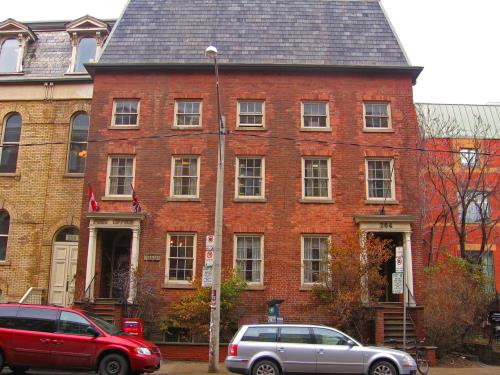
Front facade of the Fourth York Post Office showing its solid brick construction, 2005.
Photo: Parks Canada Agency / Agence Parcs Canada, 2005.
- Built
- 1833–1835
- Recognized
- 1980
- By
- Government of Canada
The register’s text, word for word
Description
The Fourth York Post Office National Historic Site of Canada forms the eastern unit of a complex located just east of Toronto’s downtown core. It is an early 19th-century three-and-a-half-storey building originally erected as a detached structure. It was joined with the Bank of Upper Canada Building National Historic Site of Canada in the 1870s with the construction of an intervening building. Some of the original detailing and openings of the post office building, altered during the late 19th century, have since been restored. Official recognition consists of the former post office on its property at the time of recognition.
Heritage value
The Fourth York Post Office was designated a national historic site of Canada in 1980 because:
- the Fourth York Post Office is a rare example of an early Canadian post office;
- it is located within a historic complex of buildings.
The Fourth York Post Office is one of the earliest surviving examples in Canada of a building designed specifically for use as a post office. It is typical of small, early 19th-century public buildings, combining public offices and a private residence within a domestic style building featuring neoclassical details. It was built for postmaster James Scott Howard, at a time when post offices in Upper Canada were owned by the appointed postmaster.
The Fourth York Post Office forms the eastern part of a group of buildings that includes the Bank of Upper Canada Building National Historic Site of Canada. The buildings in this group have been connected to one another since the 1870s when an intervening building was erected by a religious order.
SourceHistoric Sites and Monuments Board of Canada, Minutes, June 1980, November 1983.
Character‑defining elements
The key elements that contribute to the heritage character of this site include:
- its location just east of Toronto’s downtown core;
- its setting within a historic complex of buildings including the Bank of Upper Canada Building National Historic Site of Canada;
- its rectangular massing and symmetrical façade, three-and-a-half storeys high and five bays wide;
- its residential, townhouse appearance, sustained on the main façade by its domestic scale, separate entrances and the highly ordered arrangement of its openings;
- its solid brick construction;
- its neoclassical styling, evident in the columned porticos of the entrances, the entrance doors with rounded transoms, and the multi-pane rectangular sash windows;
- its integration since the 1870s within a complex of 19th-century buildings.
End of the register’s text
Location
260 Adelaide Street East, Toronto, Ontario, M5A, Canada
43.65184° N, 79.37036° W
Get directions (opens in a new tab)Being on the register doesn’t make a place open to visitors. Many are private homes or businesses; please view them from the street.

Loading map…
Nearby
All 60 places in Toronto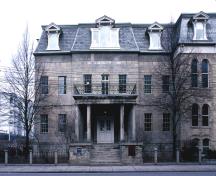 Bank of Upper Canada Building National Historic Site of Canadawithin 100 m · 1827
 St. Lawrence Hall National Historic Site of Canada250 m · 1850
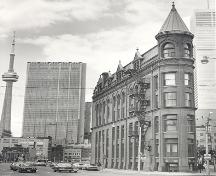 Gooderham Building500 m · 1891
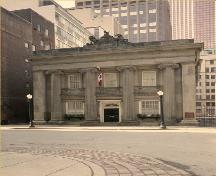 Old Toronto Post Office / Old Bank of Canada National Historic Site of Canada500 m · 1853
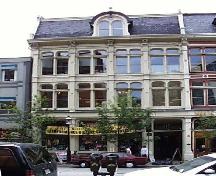 Front Street East 49500 m · 1872
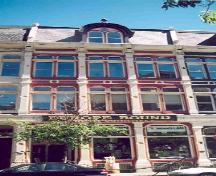 47 Front Street, Toronto550 m · 1872
Similar places
Places whose register descriptions are closest to this one.
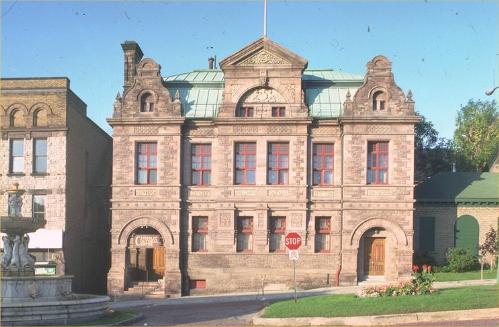 Former Brockville Post Office National Historic Site of CanadaBrockville, Ontario
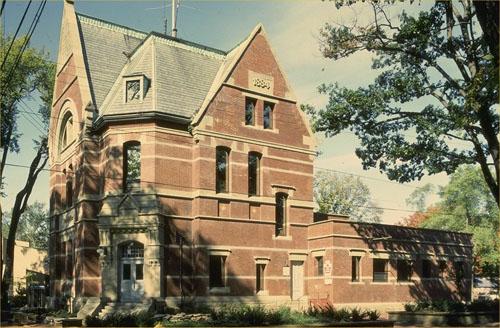 Truro Post Office National Historic Site of CanadaTruro, Nova Scotia
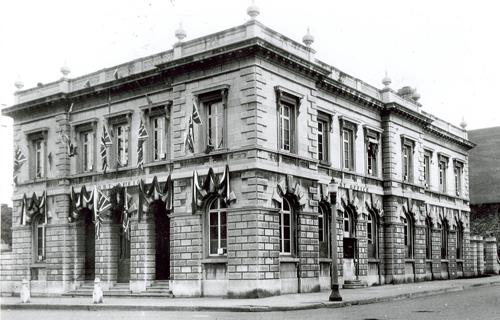 Post Office (Old)Kingston, Ontario
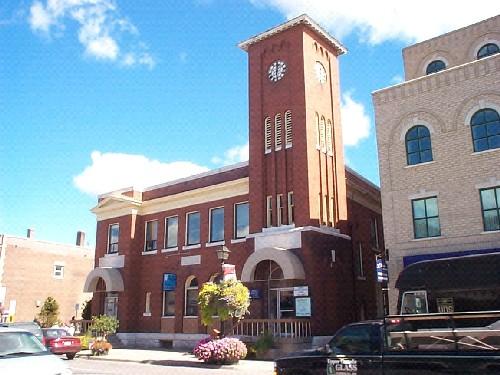 Aurora Post OfficeTown of Aurora, Ontario
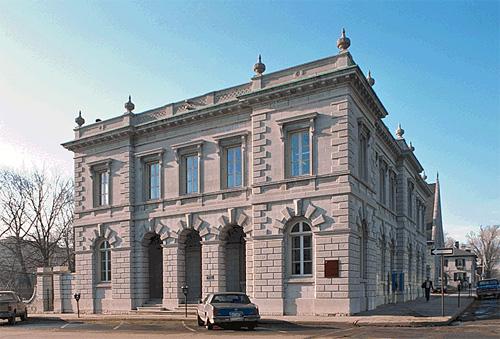 Old Kingston Post Office National Historic Site of CanadaKingston, Ontario
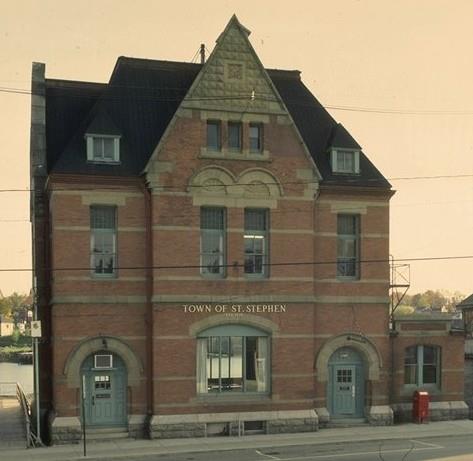 St. Stephen Post Office National Historic Site of CanadaSt. Stephen, New Brunswick
From the Canadian Register of Historic Places, as last updated on December 12, 2025. The register’s text is shown word for word.