Yellowhead Pass National Historic Site of Canada
Also known as: Yellowhead Pass National Historic Site of Canada, Yellowhead Pass, Col Yellowhead
Description
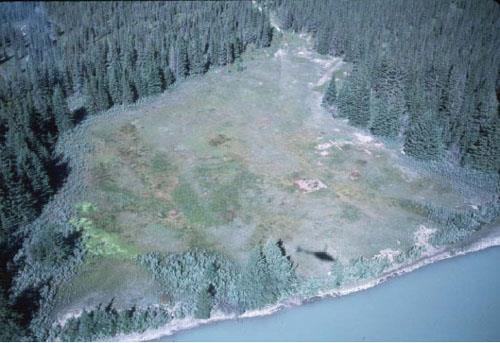
The Yellowhead Pass National Historic Site of Canada is a historic travel corridor through the Rocky Mountains from Alberta to British Columbia. The pass is located in Jasper National Park of Canada at its eastern end and in Mount Robson Provincial Park at its western end. It is one of the lowest elevation passes across the Great Divide in the Northern Rockies. The official recognition refers to the cultural landscape of the pass and historic resources associated with the former railway roadbeds of the Grand Trunk Pacific Railway Company and Canadian Northern Railway Company.
Heritage Value
The Yellowhead Pass was designated a National Historic Site of Canada in 1971 because:
- it was used for brief periods from the mid-1820s to the 1850s by the Hudson’s Bay Company; and
- it became part of the Grand Trunk Pacific and the Canadian Northern Railway companies’ routes and a major highway crossing through the Rocky Mountains.
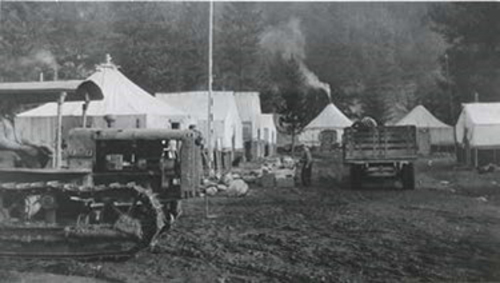
This pass was used for centuries by First Nations peoples, from about 1825 to the 1850s by the Hudson’s Bay Company principally to transport leather from the Saskatchewan District to its posts in New Caledonia. After 1906, it was used as a route for the Grand Trunk Pacific and the Canadian Northern railways and in 1942, Japanese-Canadians who had been interned during World War II began automotive roadway work on it. The pass derives its name from Pierre Bostonais, called “Tete Jaune”, an Iroquois freeman active in the region in the early 19th century. The heritage value of the site resides in its historic associations as illustrated by the landscape and its associated historic resources.
Sources: Historic Sites and Monuments Board of Canada, Minutes, May 1971; Commemorative Integrity Statement, December 2005.
Character-Defining Elements
Key elements contributing to the heritage value of this site include:
- the route and extent of the pass;
- the varied geography of the pass from marsh and meadow to steep mountain slopes;
- the spatial interconnectedness of natural and man-made resources and features such as ballasting and rock cuts, dikes and berms;
- the viewscapes along the pass, and from the surrounding countryside towards the pass;
- the vestiges of use by railway workers (such as the remnants of the Summit City, a railway bridge with surviving piers at Fraser Crossing, and the Lucerne cemetery), abandoned right-of-ways, and evidence of road developments (including evidence of two World War II Japanese-Canadian internment camps);
- the in situ above and below ground archaeological resources related to the use of the pass as a transportation corridor, including surface depressions and subsidence;
- the evidence of the continued use of this pass for transportation, specifically the presence of the railway, highway, hiking trails and other communications and transportation-related installations.
Gallery
2 imagesLocation
Loading map...
Similar Places
Heritage sites with similar characteristics