Howse Pass National Historic Site of Canada
Also known as: Howse Pass National Historic Site of Canada, Howse Pass, Col-Howse
Description
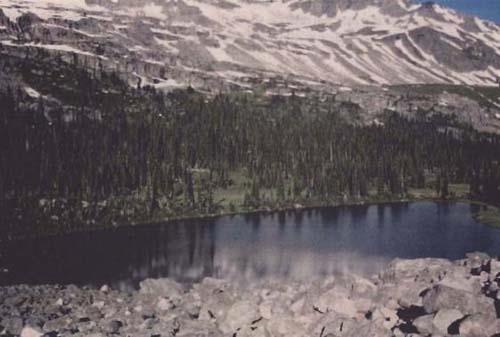
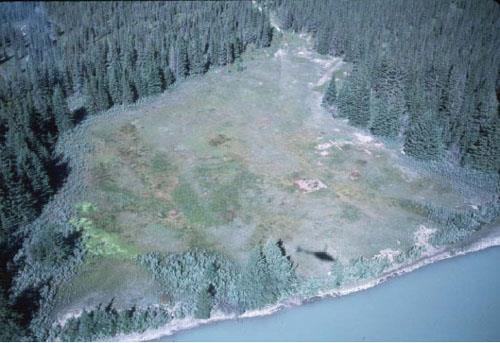
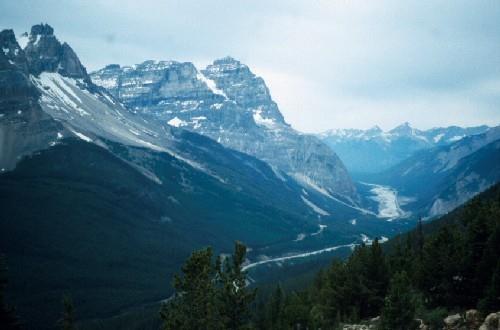
Howse Pass National Historic Site of Canada is an early 19th-century trans-mountain transportation route across the Rocky Mountains, in western Canada. The pass extends through a striking mountain landscape comprising a river, trail, trees, glaciers and lakes. The pass extends from the confluence of the Howse River with the Saskatchewan River in Banff National Park of Canada to the confluence of the Blaeberry River with the Columbia River in British Columbia. The pass, intersected at its eastern end by a modern highway development, extends across the inter-provincial border between British Columbia and Alberta and falls within both provinces. The Alberta side of the pass is situated within Banff National Park of Canada and is administered by Parks Canada. The British Columbia side of the site is provincial crown land administered by the British Columbia Ministry of Forests. Official recognition refers to the geographically definable location circumscribed by selected natural features and watercourses.
Heritage Value
Howse Pass was designated a national historic site of Canada in 1978. It is designated because:
-the pass was probably used from the 18th century onwards by the Ktunaxa First Nation to gain access to the buffalo herds on the plains east of the mountains;
-the pass was used by the Canadian fur traders until 1810 to explore and establish posts west of the Rockies.
The heritage value of this site resides in its significance as one of the early trans-mountain routes to the Columbia River from the Saskatchewan River Valley during the early 19th-century fur trade period. The pass is also recognized as part of a traditional aboriginal trade and hunting route and link. In 1807, David Thompson, the experienced trader and cartographer, traversed the pass with a North West Company party. The pass was named after Joseph Howse, the Hudson’s Bay Company employee who first crossed the pass through to the Columbia River country in 1809 by way of reconnaissance. After 1810, having been warned by the Pikani not to use this pass, Thompson sought a new northern route, while John McDonald of Garth working for the Nor’westers crossed in 1811. The actual period of use of the Howse Pass in fur trade times was brief, being limited to the first decade of the century.
Sources: Historic Sites and Monuments Board of Canada, Minutes, June 1978; Commemorative Integrity Statement.
Character-Defining Elements
The key elements that contribute to the heritage character of this site include:
- the location in the dramatic, mountainous environment evocative of what the early fur traders and First Nations travellers would have experienced;
- the pass’s constituent geographical elements including the river, trail, trees, glaciers, lakes and rock formations;
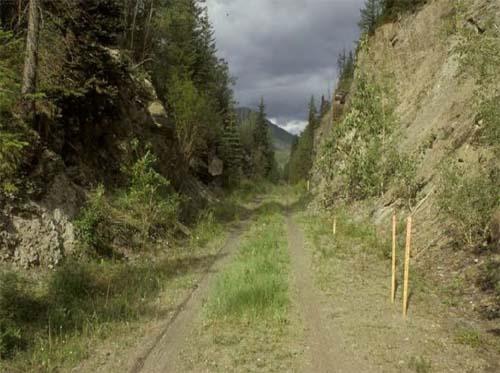
- the remains of the historic trail;
- the visual and landscape character along the corridor of the pass, including the unimpeded viewscapes of the surrounding mountains, forest and river, and from various vantage points towards the Pass;
- the integrity of any archaeological remains which may be found within the pass, including features and artefacts belonging to either the use of the pass by native peoples or relating to the fur trade from the period between 1800 and 1811 in their original placement and extent.
Gallery
2 imagesLocation
Loading map...
Similar Places
Heritage sites with similar characteristics