Provincial Historic Resource
Leduc No. 1 Discovery Well
near Devon, Alberta
Also known as Imperial Oil Leduc No. 1
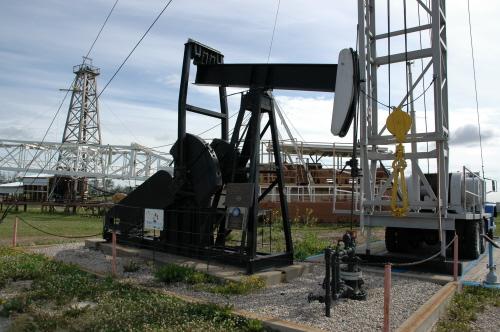
Leduc No. 1 Discovery Well Provincial Historic Resource, near Devon (Summer 2005)
Photo: Alberta Culture and Community Spirit, Historic Resources Management Branch, 2005
- Built
- 1947
- Recognized
- 1986
- By
- Province of Alberta
The register’s text, word for word
Description
The Leduc No. 1 Discovery Well site comprises approximately 1.4 hectares of land on a single lot near Devon. The site includes an oil pump jack and associated piping. The original well site is surrounded by artifacts from The Canadian Petroleum Interpretive Centre, which lies on an adjacent tract of land, but is not included in the designation.
Heritage value
The heritage value of the Leduc No. 1 Discovery Well site lies in its association with the finding of massive petroleum deposits in Alberta and its connection to the dramatic social and economic transformation of the province in the second half of the twentieth century.
In the first half of the twentieth century, Canada was almost entirely dependent upon the United States for its oil supply. As Canada's industries were established and grew, the demand for domestic oil to power the country's economic engine grew. The Imperial Oil Company Ltd., founded in Ontario in 1880, began to explore for oil and gas deposits in Western Canada in the 1910s. For three decades, they were unsuccessful, drilling 133 dry wells in the region. On February 13, 1947, however, the Leduc No. 1 Discovery Well blew in to the delight of the spectators assembled for the occasion. The eruption of oil from Leduc No. 1 triggered extensive exploration for further petroleum deposits as seismic teams, geologists, and geophysicists fanned out across Alberta in search of "black gold." Though the Leduc field was a major find, new fields with even larger petroleum reserves would be discovered in subsequent years.
The spectacular discovery of oil at Leduc in 1947 marked a watershed in Alberta's economic and social life. The find attracted massive American capital investment into the province and resulted in the creation of wells, refineries, and pipelines throughout the province. Oil exploration also uncovered another valuable resource under Alberta's surface - natural gas. The population boomed in subsequent decades as fortune-seekers - many of them well-educated professionals - flocked to Alberta to tap into the province's new-found wealth. New towns were established near oil fields and both Edmonton and Calgary grew dramatically. Edmonton became a service centre for the oil fields and home to numerous refineries, while Calgary developed into the administrative and managerial heartland of Alberta's burgeoning petrochemical industry. The tremendous wealth generated by the province's reserves of oil and gas also accelerated the demographic shift in Alberta from a rural to an urban population and funded the creation of universities and colleges, galleries and museums, and hospitals.
SourceAlberta Culture and Community Spirit, Historic Resources Management Branch (File: Des. 1325)
Character‑defining elements
The character-defining elements of the Leduc No. 1 Discovery Well site include such features as:
- pump jack and associated piping.
End of the register’s text
Location
near Devon, Alberta, T0C, Canada
53.32869° N, 113.72920° W
Get directions (opens in a new tab)Being on the register doesn’t make a place open to visitors. Many are private homes or businesses; please view them from the street.

Loading map…
Nearby
Similar places
Places whose register descriptions are closest to this one.
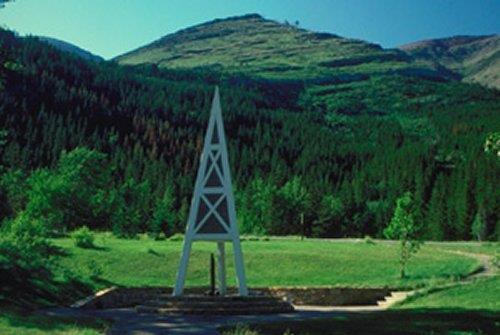 First Oil Well in Western Canada National Historic SiteWaterton Lakes National Park of Canada, Alberta
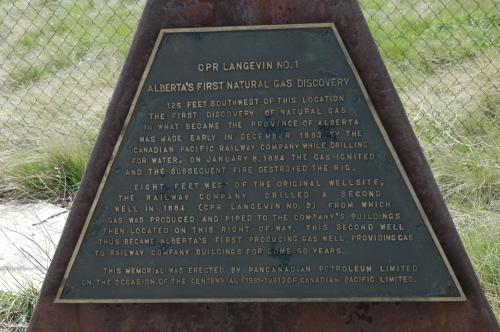 Canadian Pacific Langevin Number 1 and 2 Gas WellsCypress County, Alberta
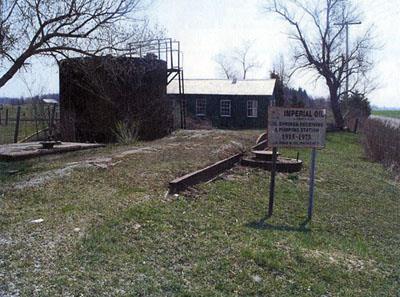 First Commercial Oil Field National Historic Site of CanadaOil Springs, Ontario
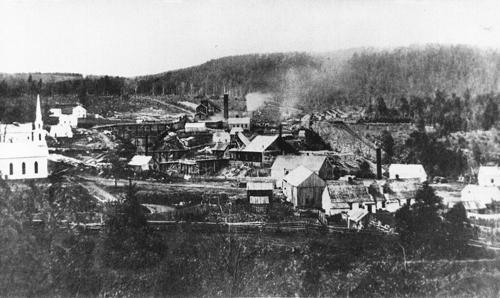 Albert Mines SiteHillsborough (Parish), New Brunswick
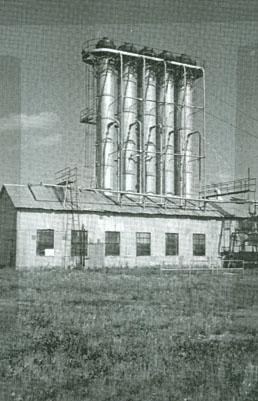 Turner Valley Gas Plant National Historic Site of CanadaTurner Valley, Alberta
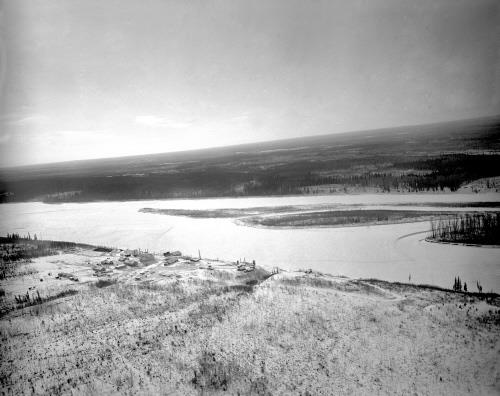 Bitumount Sitenear Fort McMurray, Alberta
From the Canadian Register of Historic Places, as last updated on December 12, 2025. The register’s text is shown word for word.