National Historic Site of Canada
First Commercial Oil Field National Historic Site of Canada
Oil Springs, Ontario
Also known as First Commercial Oil Field, Premier champ pétrolifère commercial, Oil Museum of Canada
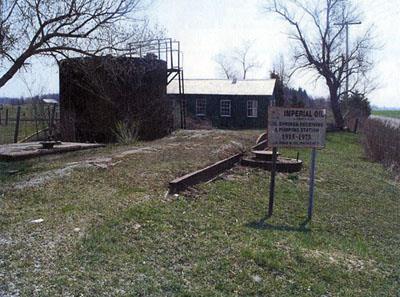
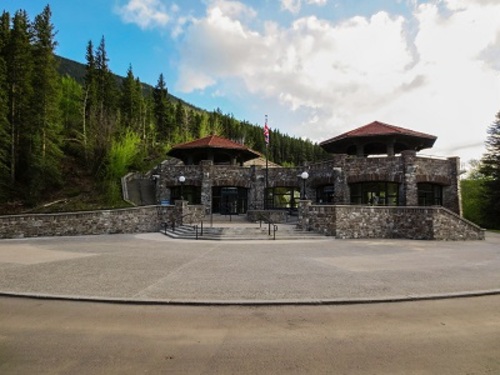
General view of the Receiving Station at the First Commercial Oil Field National Historic Site of Canada, 2005.
Photo: Agence Parcs Canada / Parks Canada Agency, A. Roos, 2005.
- Built
- 1858
- Recognized
- 1925
- By
- Government of Canada
The register’s text, word for word
Description
Located near Oil Springs, Ontario, the First Commercial Oil Field National Historic Site of Canada is an industrial landscape featuring oil and gas extraction, transportation and refining equipment and buildings. The land itself is level and open, like the surrounding agricultural lands. The official recognition refers to the Fairbank and Oil Museum lands, the in situ equipment and the buildings in their existing spatial relationships.
Heritage value
First Commercial Oil Field was designated a national historic site of Canada in 1925 because:
- the site is a rare industrial landscape possessing a large number of vestiges directly related to the beginning and to the evolution of the oil industry in the latter half of the 19th century in Canada;
- the site contains the first commercial oil well in the world, the first drilled well in Canada, the first gumbeds that were commercially used in the world, and the first gas gusher in Canada;
- the site, where the mining, refining and marketing of petroleum products once took place, had major impacts both financially and technologically not only in Canada but on the development of the oil industry in other countries.
The location of gumbeds in this area of Ontario had long been known to local inhabitants. The first commercial exploitation of the gumbeds was the extraction of bitumen for asphalt paving. Further study of the qualities of the oil revealed its technical applicability to numerous uses, while advances in drilling, refining and transportation techniques made the exploitation of these oil fields economically viable. The work undertaken here had significant impacts from both technological and financial aspects, on the development of the oil refining industry both in Canada and abroad.
SourceHistoric Sites and Monuments Board of Canada, Minutes, June 2005.
Character‑defining elements
Key elements contributing to the heritage value of this site include:
- machinery, such as oil wells, rigs, the location of the original wells, tanks, receiving stations, as well as buildings such as barns and drive sheds;
- above-ground and below-ground archaeological resources, such as buried oil tanks, and surface depressions;
- support buildings such as barns and drive sheds;
- views across the oil fields, and the existing relationship between the in situ resources;
- the location and materials of these industrial remains.
End of the register’s text
Location
Oil Springs, Ontario, Canada
42.77302° N, 82.12078° W
Get directions (opens in a new tab)Being on the register doesn’t make a place open to visitors. Many are private homes or businesses; please view them from the street.

Loading map…
Nearby
 Oil Springs Railway Stationwithin 100 m · Village of Oil Springs
 Langbank Post Office150 m · Village of Oil Springs · 1895
 Oil Springs Community Hall1.2 km · Village of Oil Springs · 1932
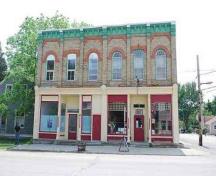 Independent Order Odd Fellows Ridgely Lodge #2501.2 km · Village of Oil Springs · 1890
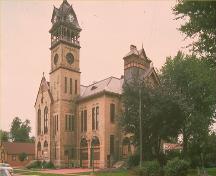 Victoria Hall / Petrolia Town Hall National Historic Site of Canada12 km · Petrolia · 1887
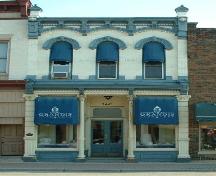 Petrolia Orange Hall12 km · Petrolia · 1881
Similar places
Places whose register descriptions are closest to this one.
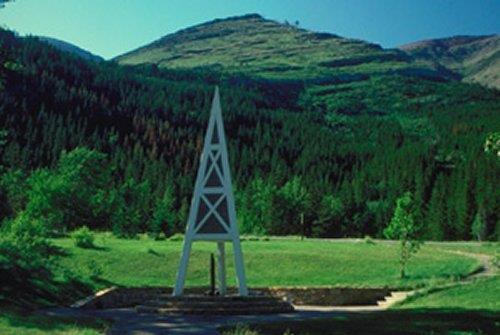 First Oil Well in Western Canada National Historic SiteWaterton Lakes National Park of Canada, Alberta
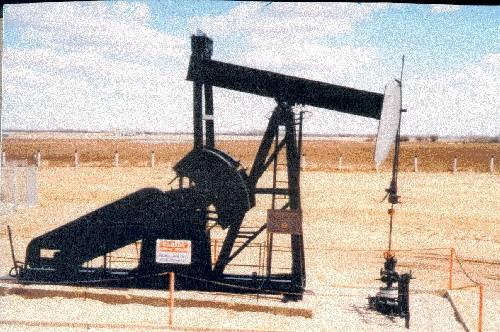 Leduc-Woodbend Oilfield National Historic Site of CanadaLeduc, Alberta
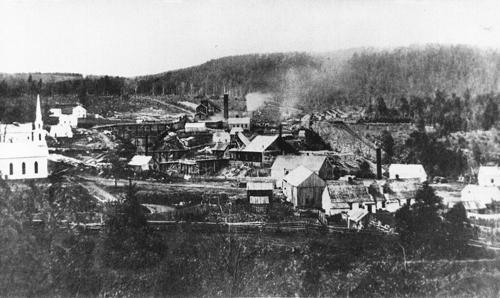 Albert Mines SiteHillsborough (Parish), New Brunswick
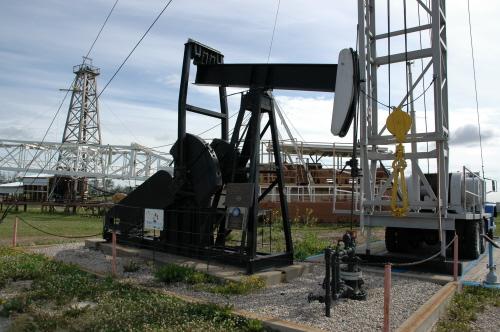 Leduc No. 1 Discovery Wellnear Devon, Alberta
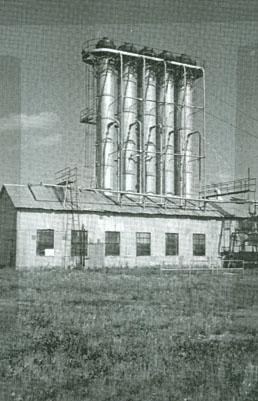 Turner Valley Gas Plant National Historic Site of CanadaTurner Valley, Alberta
 Cave and Basin National Historic Site of CanadaBanff National Park of Canada, Alberta
From the Canadian Register of Historic Places, as last updated on December 12, 2025. The register’s text is shown word for word.