Walter Felt Bison Drive Protected Area
Description
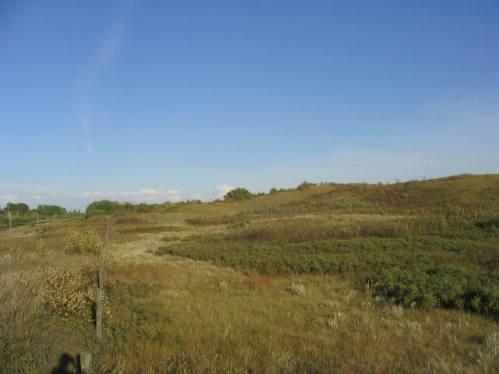
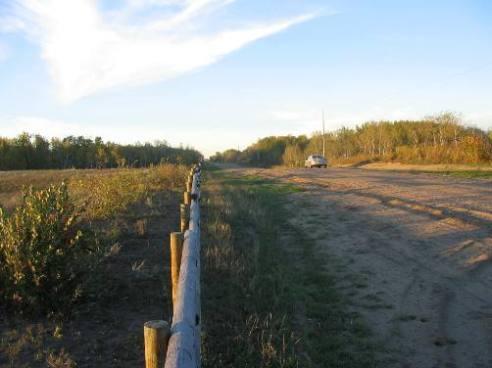
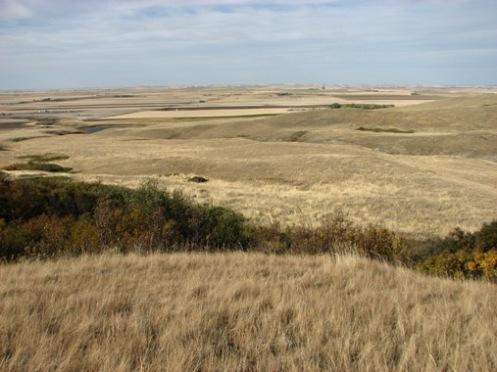
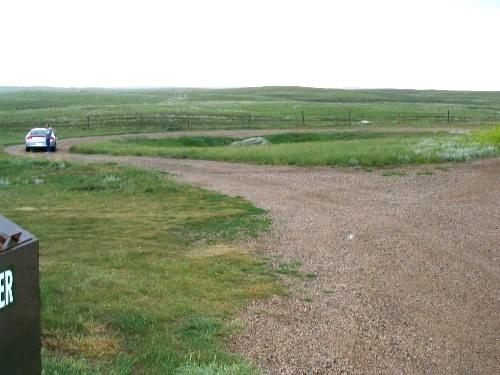
The Walter Felt Bison Drive Protected Area encompasses 1.15 ha of land on the Missouri Coteau escarpment, approximately 40 km west of the City of Moose Jaw. The property features the buried remains of precontact campsites and bison kills located on a wooded coulee terrace. Archaeological excavations conducted in the 1960s revealed 12 separate occupation layers that represent over 2,000 years of use by five different archaeological cultures.
Heritage Value
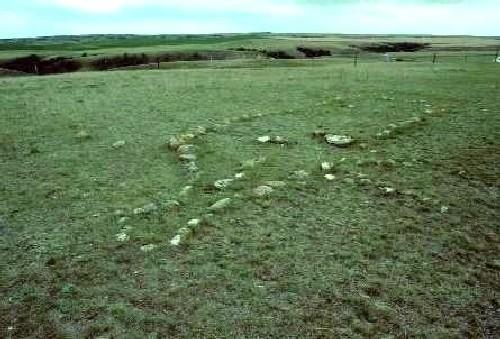
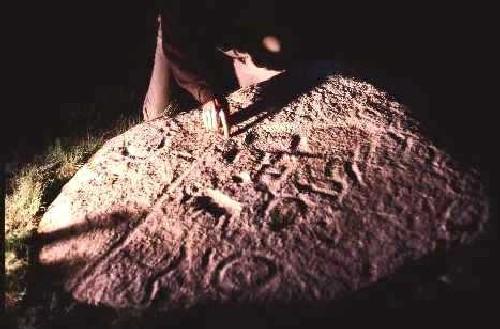
The heritage value of the Walter Felt Bison Drive Protected Area lies in the information it reveals regarding the bison hunting cultures of the Northern Plains. Deposits of butchered bone, stone artifacts, pottery, hearths, bone pits and other cultural features illustrate techniques of capturing and processing this important game animal. Of particular interest in one of the layers was the discovery of remnant post holes from a corral that was used to trap the bison. This type of structure is rarely encountered in Saskatchewan archaeological sites. Another important find was pottery in a layer dated to 340 AD. At the time, this was the earliest known occurrence of ceramics in the province and the first known association of pottery with the Besant culture.
Further heritage value resides in the property’s contribution to our understanding of Northern Plains culture history. Radiocarbon dating of the site’s superimposed occupation layers and analysis of its artifacts helped to establish a regional cultural chronology for the period between ca. 500 BC and 1600 AD.
Source:
Province of Saskatchewan, The Parks Act, May 26, 1986.
Character-Defining Elements
The Walter Felt Bison Drive Protected Area’s heritage value resides in the following character-defining elements:
-elements that reflect precontact use of the site and contribute to its interpretation, including stone, bone and ceramic artifacts; hearths, pits, post holes or other cultural features; the spatial relationships and environmental context of the cultural remains; the sequence of buried soil layers with their contained cultural and organic remains; and the property’s undisturbed landforms and natural vegetation.
Gallery
2 imagesSimilar Places
Heritage sites with similar characteristics