Harder Archaeological Site Protected Area
Also known as: Harder Archaeological Site Protected Area, Archaeological Site FbNs-1
Description
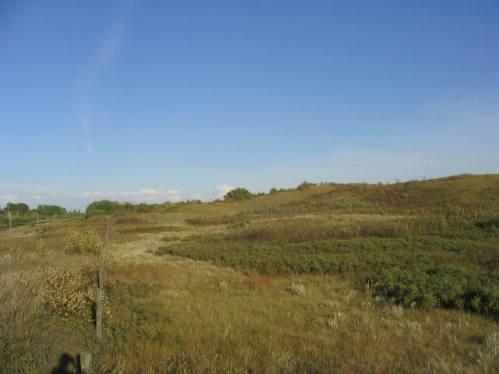
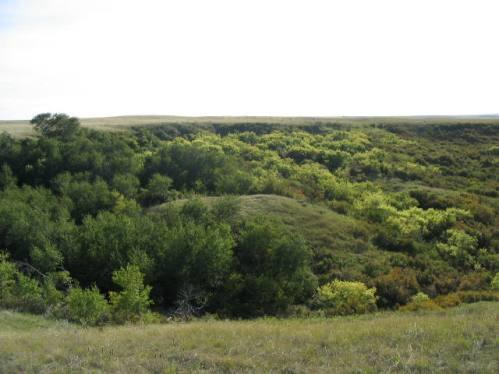
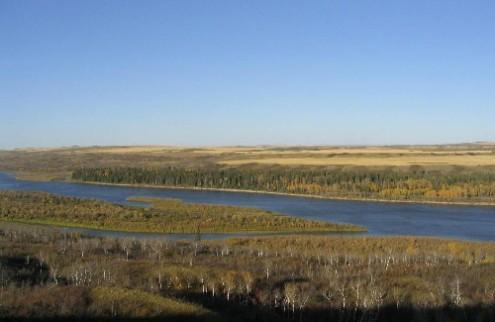
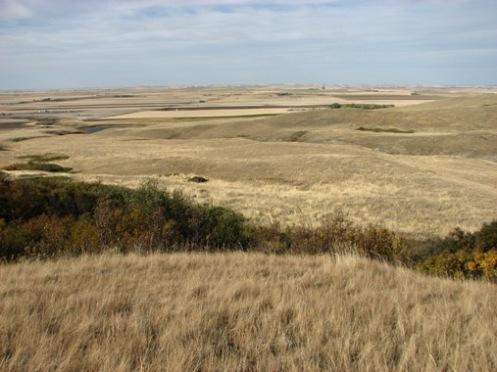
The Harder Archaeological Site Protected Area consists of a 10.5 ha parcel of land located in the gently rolling, partially treed Dunfermline Sand Hills, approximately 20 km west of the City of Saskatoon. The property features a ca. 4,000 year old archaeological site. Substantial portions of the buried site are undisturbed.
Heritage Value
The heritage value of the Harder Archaeological Site Protected Area lies in the information it reveals regarding the Oxbow “culture,” which existed on the Northern Plains between about 3,000 and 5,000 years ago. Archaeological discoveries at the site included bone, mostly from butchered bison, stone tools, a hearth, smudge pits, and refuse piles of small bone fragments and stone chips. Discrete concentrations of these remains were interpreted as the floors of former dwellings, most likely skin tents. It is believed that the Harder site was a winter camp where people cooked and consumed bison that had been killed and butchered elsewhere, then transported to the campsite. Other camp activities inferred from the archaeological remains included stone tool repair and hide working. Using assumptions based on the number of butchered animals, the area of the dwelling floors and ethnographically known rates of meat consumption, it was estimated that approximately 50 people could have occupied the camp for about a month.
Source:
Province of Saskatchewan, The Parks Act, May 26, 1986.
Character-Defining Elements
The heritage value of the Harder Archaeological Site Protected Area resides in the following character-defining elements:
-elements that reflect precontact use of the site, including stone artifacts, bones, hearths, smudge pits, refuse piles or other cultural features, and the spatial relationships among the cultural remains;
-other elements that contribute to the site’s interpretation, including its native vegetation, natural landforms, and undisturbed soil layers with their organic and inorganic constituents and buried occupation zone.
Gallery
1 imageSimilar Places
Heritage sites with similar characteristics