Gull Lake Protected Area
Also known as: Gull Lake Protected Area, Archaeological Site EaOd-1
Description
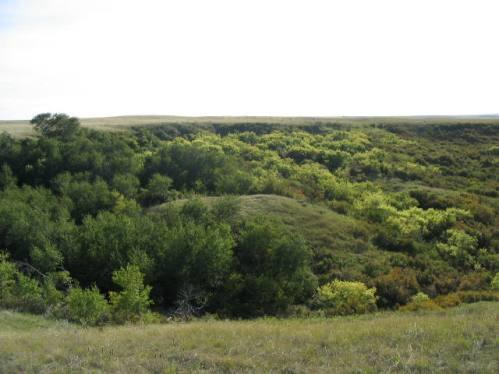
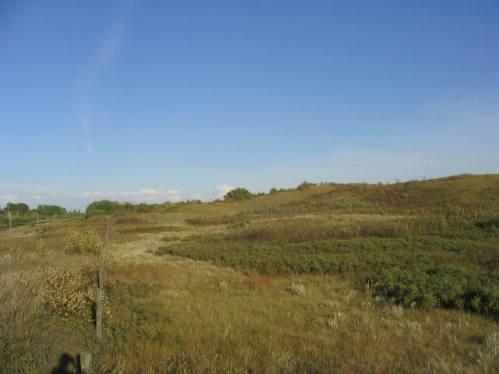
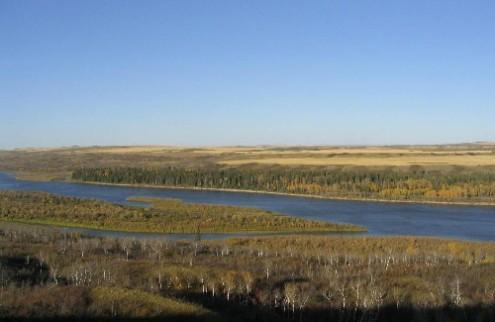
The Gull Lake Protected Area encompasses 64 ha of land on the Missouri Coteau escarpment near the Cypress Hills, approximately 10 km southwest of the Town of Gull Lake. The property features a deeply buried bison drive site located in a ravine on the upland slope. Archaeological investigations conducted in the 1960s showed that the site was used repeatedly between ca. 200 AD and 1300 AD by three different archaeological cultures. The protected area also includes evidence of former campsites in the cultivated fields above the drive site.
Heritage Value
The heritage value of the Gull Lake Protected Area lies in the information it reveals regarding the bison hunting cultures of the Northern Plains during the late precontact period. The site’s layered bone beds and artifact deposits represent several episodes of use by three different groups that are distinguished by distinctive arrow points (Avonlea, Prairie, Plains). The well-preserved remains, which extend to a depth of over three metres, provide an excellent opportunity for the study of bison hunting and changes in tools over a period of more than one thousand years. The site also helped define the culture history of the Northern Plains during late precontact times and provided data for an artifact classification system that has become a standard for the region.
Source:
Province of Saskatchewan, The Parks Act, May 26, 1986.
Character-Defining Elements
The heritage value of the Gull Lake Protected Area resides in the following character-defining elements:
-elements that reflect precontact use of the property and contribute to its interpretation, including stone artifacts, bone, pottery, stone cairns, hearths or other cultural features, and the spatial relationships and environmental context of the cultural remains; the sequence of soil layers and their contained cultural and organic remains; and the property’s native vegetation and undisturbed landforms.
Gallery
1 imageSimilar Places
Heritage sites with similar characteristics