St. John's Anglican Church Rectory
Description
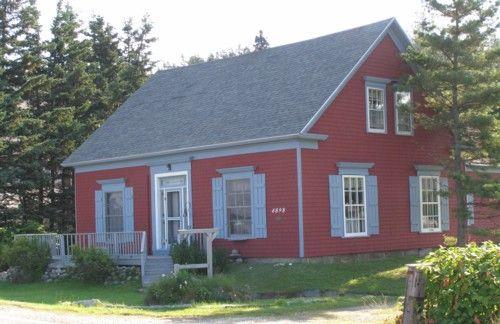
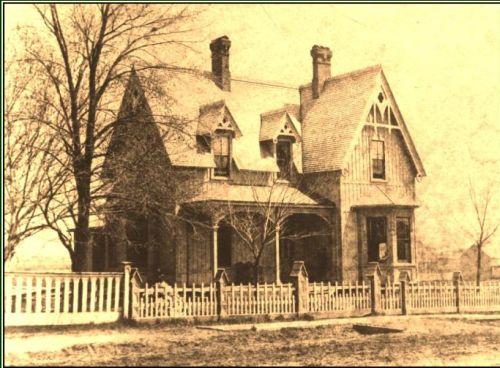
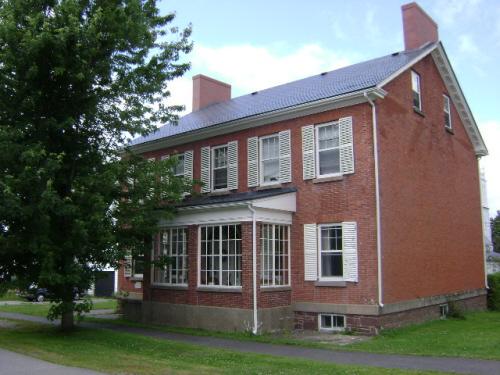
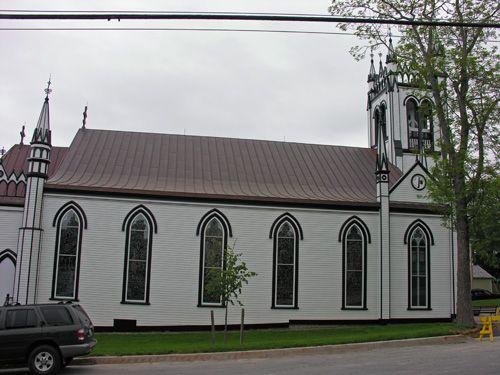
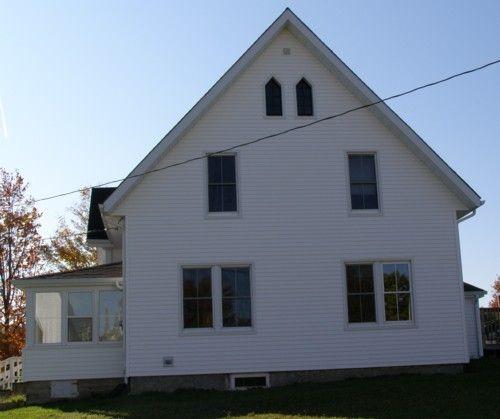
Located immediately on the sidewalk beside the St. John's Parish Hall on Townsend Street in Old Town, a heritage conservation district in Lunenburg, NS, the Anglican Rectory is a two storey wooden structure that was built between 1810 and 1816. It is Georgian in design, with some ornamentation and additions from the Victorian era. Designation covers the building and the surrounding property.
Heritage Value
The St. John's Rectory is valued for its long association with St. John's Anglican Church, church rectors, and role in the community. It is also valued for its age and architecture. The Rectory is located in the institutional heart of Lunenburg, a three-block area that was set aside in the original town plans for the Anglican Church, the courthouse and a parade square.
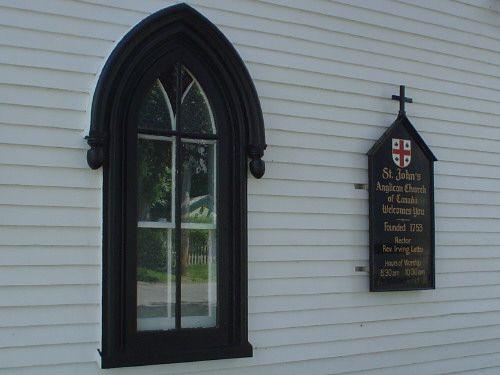
The Rectory is a typical early nineteenth century home, with some additions from the 1880s, such as ornamentation around the windows. Despite these additions and some minor alterations, the building retains its original Georgian character. The Rectory is situated close to St. John's Anglican Church, which is located across the street, and is complimentary in style to the church itself.
Source: Heritage Designation File 66400-40-09, Town of Lunenburg.
Character-Defining Elements
Character-defining elements of the St. John’s Anglican Church Rectory include:
- proximity to St. John's Anglican Church and Parish Hall, and continued use in relation to the Parish of Lunenburg;
- location in the institutional area of Lunenburg, as originally laid out in Lunenburg's 1753 town plans, demonstrating the importance of the Anglican Church and its Rectors;
- Georgian design elements, such as the wooden cladding with wooden fluted cornerboards, two symmetrically placed large chimneys, classical trim around the central doorway on the main façade and the large eastern bay window;
- vernacular late nineteenth century local architectural features, such as bracketry, lintel ornamentation and prominent window hoods, added in the 1880s along with the ell on the western end, which is in keeping with the original design.
Gallery
3 imagesLocation
Loading map...
Similar Places
Heritage sites with similar characteristics