Opimihaw
Also known as: Opimihaw, Tipperary Creek Archaeological Site
Description
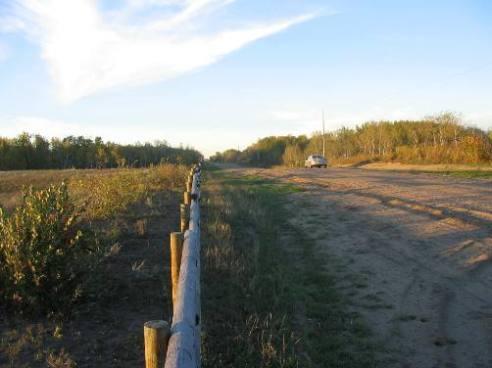
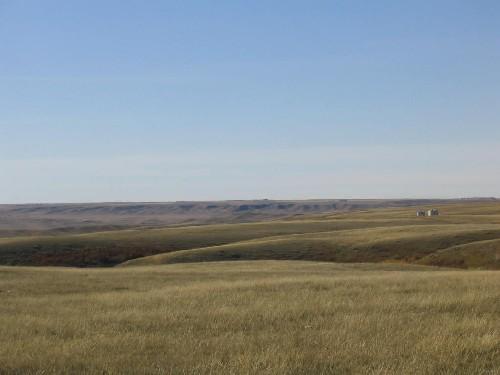
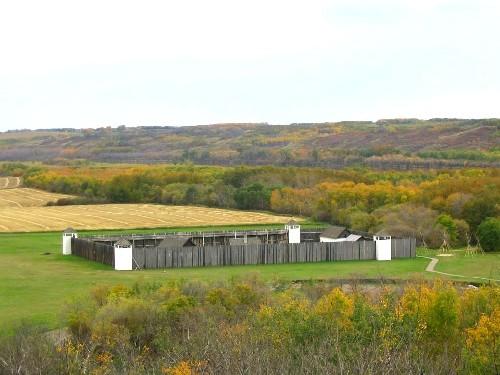
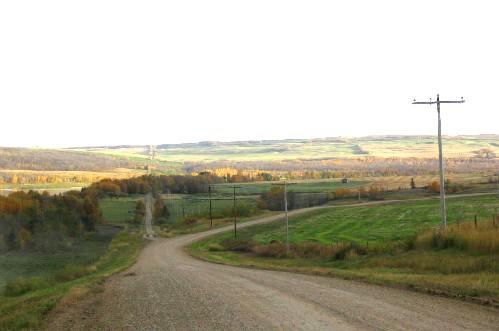
Opimihaw is a Provincial Heritage Property located in the Opimihaw Creek valley where the creek meets the South Saskatchewan River northeast of Saskatoon. The 58 hectare property contains at least 14 precontact archaeological sites, including a medicine wheel, tipi rings, rock cairns, campsites and bison kills. The designated property is located within the bounds of Wanuskewin Heritage Park.
Heritage Value
The heritage value of Opimihaw resides in its outstanding collection of archaeological sites and in the information these sites reveal regarding precontact First Nations culture. Periodic flooding has resulted in exceptional preservation of the valley's cultural and organic remains in a sequence of discrete clay layers. The excellent preservation and the property’s broad range of site types provide a rare opportunity for the study of human adaptations on the Northern Plains over the past 5,000 years.
First Nations value Opimihaw as a place of great spiritual significance, and for its associations with the survival and continuity of First Nations culture. The site is also important for its educational value. Located near a major population centre, the site has high potential for interpreting First Nations culture and promoting greater inter-cultural understanding.
Sources:
Province of Saskatchewan, Notice of Intention to Designate as Provincial Heritage Property under The Heritage Property Act, November 23, 1983.
Province of Saskatchewan, Order to Designate as Provincial Heritage Property under The Heritage Property Act, February 20, 1984.
Character-Defining Elements
The heritage value of Opimihaw resides in the following character-defining elements:
-elements that reflect precontact use of the site, such as the undisturbed cultural stratigraphy and numerous archaeological remains, including artifacts, bone, hearths, stone constructions or other cultural features, especially any cultural material in its original context;
-the sequence of natural soil layers with their contained organic remains that are evidence of the site’s past environments;
-elements that express the site’s spiritual and cultural significance, such as use of the site by First Nations for traditional ceremonies;
-the site's natural environment and historic vistas that evoke a sense of stepping back in time, allowing visitors to readily imagine the experience of ancient visitors to the site.
Gallery
2 imagesLocation
Loading map...
Similar Places
Heritage sites with similar characteristics