National Historic Site of Canada
Old Government House National Historic Site of Canada
Fredericton, New Brunswick
Also known as Old Government House, Ancienne résidence du gouverneur, Ancien hôtel du gouverneur
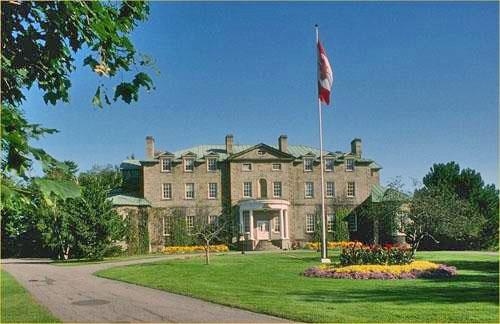
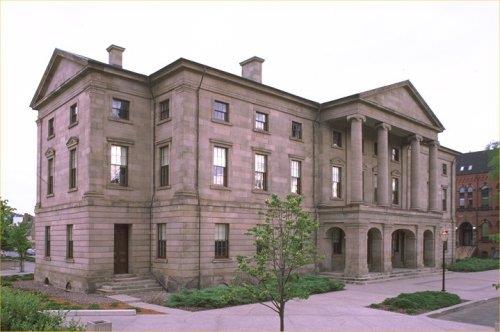
General view of the Old Government House National Historic Site of Canada, showing the front elevation, 1990.
Photo: Parks Canada Agency / Agence Parcs Canada, 1990.
- Built
- 1826–1828
- Recognized
- 1958
- By
- Government of Canada
The register’s text, word for word
Description
Old Government House National Historic Site of Canada is a large, stone, Palladian-style residence of New Brunswick’s lieutenant governor. It is located on a 4.5 hectare (11-acre) site on Woodstock Rd., just west of the centre of Fredericton, on the banks of the Saint John River. The designation refers to the building on its grounds.
Heritage value
Old Government House was designated a national historic site in 1958 because:
- the building is an elegant Palladian mansion, and
- it is closely associated with the Confederation movement.
Old Government House National Historic Site was designed by English artist and designer J.W. Woolford and was built in 1826-1828 to house the Governor of the Colony of New Brunswick. It replaced an earlier governor’s residence (1787), which had been destroyed by fire. An historic encounter between Governor Arthur Gordon and Premier Albert J. Smith occurred here on 7 April 1866, paving the way for Confederation. This building served as the official residence of the governors, then lieutenant governors of New Brunswick until 1893 when a new official residence was constructed. It then became a veterans’ hospital, and subsequently headquarters of J Division of the RCMP from 1932 to 1988. Since then, it has been restored and has resumed its original function as the residence of the Lieutenant Governor.
The heritage value of Old Government House National Historic Site resides in its functional role as an official residence (both 1828-1893 and 1988-present), its experience as the site of an important event in Canadian history, and in its Palladian-style architecture. Value also lies in its site and setting.
SourceHistoric Sites and Monuments Board of Canada, Minutes, May 1958, June 1999.
Character‑defining elements
Key features contributing to the heritage value of this site include:
- its function as New Brunswick’s primary official residence;
- its Palladian style architecture expressed by the two-and-a-half storey rectangular massing of the main block and lower semi-circular end bays on the main façade, a central full-height bay on the opposite elevation, hipped roof and high chimneys, the pedimented projecting frontispiece with semi-circular portico over the main entry, the main entry with side and over-lights, the symmetrically organized facades with evenly spaced multi-light sash windows;
- the local sandstone construction;
- the centre-hall plan with surviving original volumes of the major public rooms;
- surviving original furnishings and interior fittings, wood- and plaster-work in the major public spaces, classically inspired decorative detailing including the Tuscan columns of the entry hall;
- the siting, set back between Woodstock Road and the river;
- its setting in formally landscaped grounds.
End of the register’s text
Location
20 Woodstock Road, Fredericton, New Brunswick, Canada
45.96561° N, 66.65585° W
Get directions (opens in a new tab)Being on the register doesn’t make a place open to visitors. Many are private homes or businesses; please view them from the street.

Loading map…
Similar places
Places whose register descriptions are closest to this one.
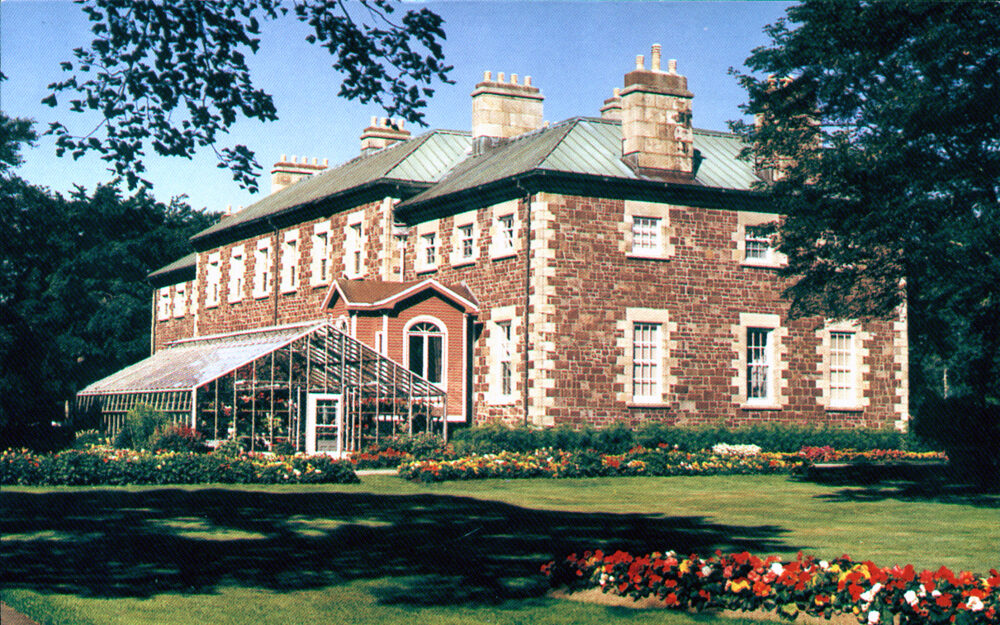 EnhancedGovernment House National Historic Site of CanadaSt. John's, Newfoundland And Labrador
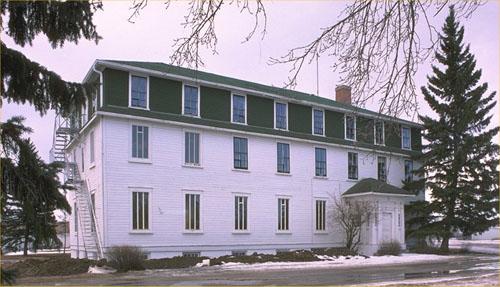 Old Government House / Saint-Charles Scholasticate National Historic Site of CanadaBattleford, Saskatchewan
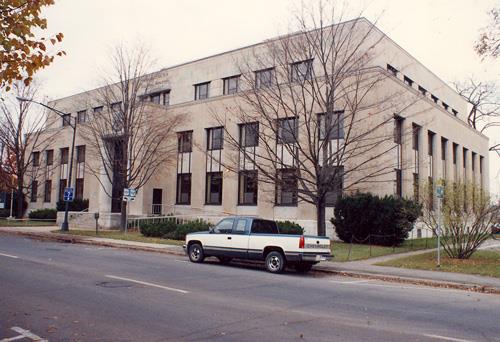 Government of Canada BuildingFredericton, New Brunswick
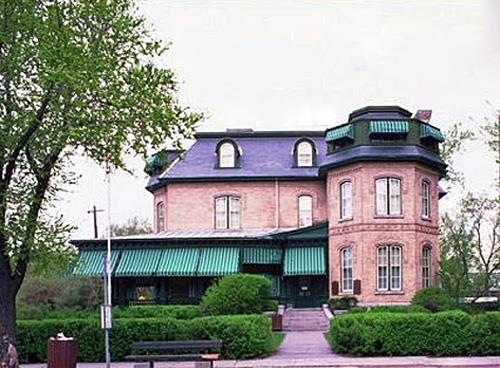 Laurier House National Historic Site of CanadaOttawa, Ontario
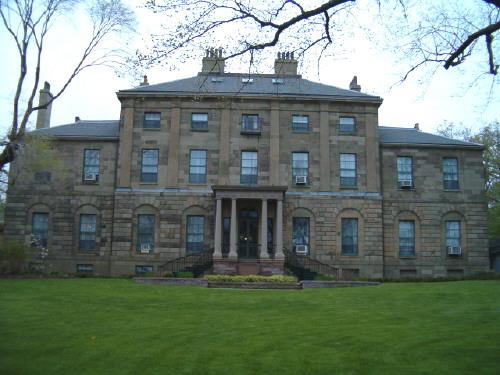 Government HouseHalifax, Nova Scotia
 Province House National Historic Site of CanadaCharlottetown, Prince Edward Island
From the Canadian Register of Historic Places, as last updated on December 12, 2025. The register’s text is shown word for word.