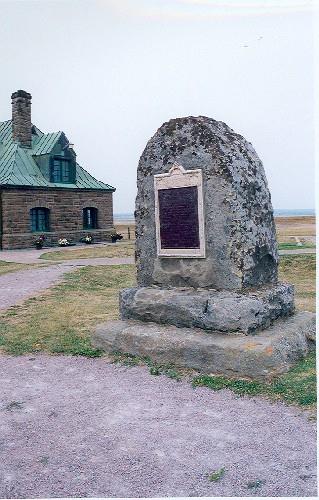
Minister's Island Pre-contact Sites National Historic Site of Canada
Also known as: Minister's Island Pre-contact Sites, Sites archéologiques Minister's Island, Ministers Island Shell Midden / Amoncellements de coquillages de Miniterrs Island
Description
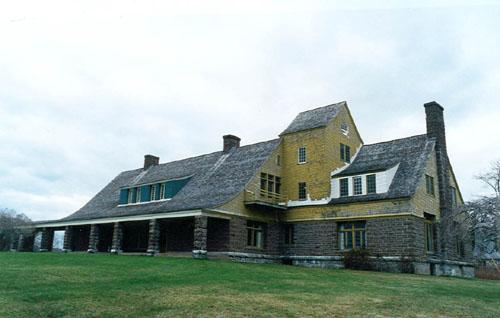
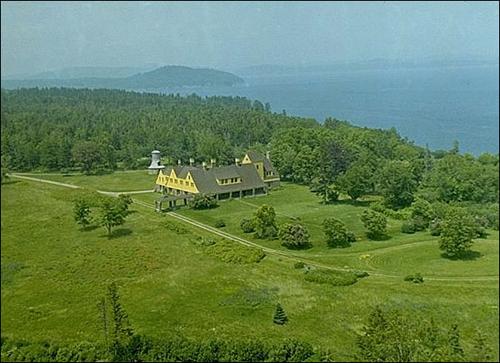
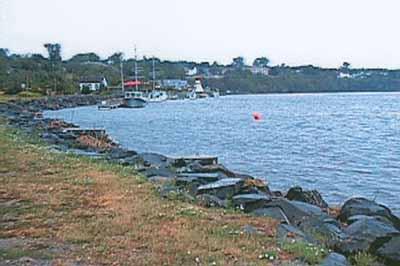
Minister’s Island Pre-contact Sites National Historic Site of Canada is composed of below-ground archaeological sites located on Passamaquoddy Bay in the southwest corner of New Brunswick. The remains associated with these sites date from 1000 to 500 BCE. The so-called island is connected to the mainland by a natural bar, covered at high tide and exposed at low tide. Comprising some 280 hectares (700 acres), the island was developed by railway baron William Van Horne as a summer estate called Covenhoven, now open to the public as Minister’s Island National Historic Site of Canada. This group of archaeological sites is marked by a commemorative plaque. Official recognition refers to the sites associated with the excavated pre-contact midden site, a small acreage within the estate on the south-west shore of the Island.
Heritage Value
Minister’s Island Pre-contact Sites was designated a national historic site of Canada in 1978 because:
- it is one of many sites around the Passamaquoddy Bay which attest to an extensive and ancient occupation of the area.
Located on the former grounds of William Van Horne’s summer estate on Minister’s Island, now Minister’s Island National Historic Site of Canada, near the town of St. Andrews, this group of archaeological sites contains the remains of four houses dating back at least 1200 years as well as the mounds of shells left from generations of shellfish harvesting, all indicating that this was probably a coastal winter settlement.
Sources: Historic Sites and Monuments Board of Canada, Minutes, June 1978; Statement of Commemorative Intent.
Character-Defining Elements
Key elements contributing to the heritage value of this site include:
- its location on Pasamaquoddy Bay;
- its relatively large extent;
- the oval-shaped depressions and trenches in their footprint, materials and location;
- surviving archaeological material in its forms and materials.
Gallery
1 imageLocation
Loading map...
Similar Places
Heritage sites with similar characteristics