National Historic Site of Canada
Chapel Island National Historic Site of Canada
Chapel Island, Nova Scotia
Also known as Chapel Island, Île Chapel, Potlotek / Vachelouacadie
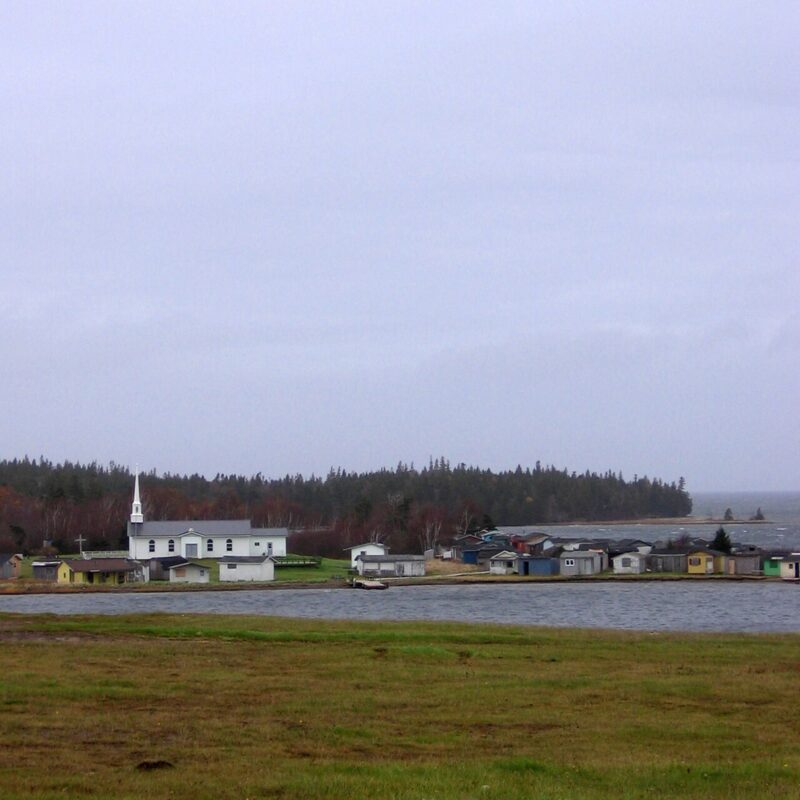
Not from the Register. Photo: Verne Equinox, Wikimedia Commons · CC BY-SA 3.0
- Recognized
- 2003
- By
- Government of Canada
The register’s text, word for word
Description
Chapel Island, approximately 2 kilometres long and one kilometre wide, is located in the southeastern corner of the Bras D'Or Lake on Cape Breton Island, where it forms part of the larger Chapel Island First Nation reserve. Since pre-contact times it has been a traditional gathering place and a site sacred to the Mi'kmaw people. The designation refers to the cultural landscape that includes the entire island across which are believed to be many unmarked burials, and archaeological remains as well as visible evidence of human activity concentrated in the southern portion. Here are found marked graves, a boulder associated with the 18th-century Abbé Maillard, two circular depressions, stations of the cross, dozens of summer cabins, and a small church.
Heritage value
Chapel Island was designated a national historic site of Canada because:
- For many centuries, this site has been an important gathering place, a location for government and a site of spiritual significance to the Mi'kmaq;
- since the mid-18th century, when the French first erected a Catholic church here, Chapel Island has been a centre of the Roman Catholic faith for the Mi'kmaq, and the location of an annual pilgrimage celebrating the Feast of St. Ann in late July; and
- the Grand Council of the Mi'kmaq continues to meet, twice a year, on the island to hold discussions and make decisions.
Chapel Island is a major gathering place for the Mi'kmaq in Atlantic Canada and has been used as such, according to Mikmaw oral tradition, since before contact with Europeans. During the 18th-century the French missionaries, of whom the best known was Abbé Maillard, established Roman Catholic missions. Ongoing missions on Chapel island are central to the spiritual significance of the island. The annual gathering in late July for the Feast of St. Ann draws Mikmaq people from all over the Atlantic region. Chapel Island continues to be regarded as a place of great spirituality and the cultural cradle of the Mikmaq peoples.
SourceHistoric Sites and Monuments Board of Canada, Minutes, December 2002.
Character‑defining elements
Elements central to the heritage value of this site include:
- the location of the island on an ancient travel corridor linking Bras D'Or Lake to the Atlantic Ocean;
- the viewplanes across the water to and from the island and the larger reserve lands;
- continued use by Mikmaq First Nation peoples, particularly by the Mikmaq Grand Council and for the annual Festival of St. Ann;
- the undeveloped state of the island save for the more heavily used south end;
- presence of burial sites, often unmarked, throughout the island;
- evidence on the south side of the island of long-term human activity including: two clear depression rings in their extent, locations and spatial relationships to other heritage resources, a large boulder associated with the Roman Catholic missionary Abbé Maillard, stations of the cross, and a cemetery with its grave markers in their found locations, forms and materials;
- the existence of a number of small cottages and a church in their general locations, small scale, vernacular forms and simple materials;
- potential archaeological sites associated with pre-contact and post-contact use, including the chapel, presbytery, chief's house and translators house associated with the French mission
End of the register’s text
Location
Chapel Island, Nova Scotia, Canada
45.71601° N, 60.78302° W
Get directions (opens in a new tab)Being on the register doesn’t make a place open to visitors. Many are private homes or businesses; please view them from the street.

Loading map…
Nearby
 Cape George Lighthouse (Bras d'Or Lake)3 km · St. Peter's · 1950
 Lockmaster's House9 km · St. Peter's · 1876
 Fort Toulouse Archaeological Site - BjCf-029.3 km · Battery Provincial Park
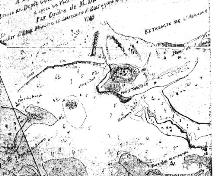 Port Toulouse Archaeological Site - BjCf-039.3 km · Battery Provincial Park
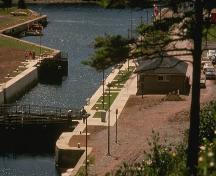 St. Peters Canal National Historic Site of Canada9.6 km · St. Peters · 1854
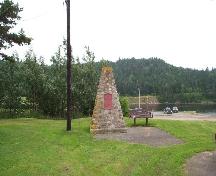 St. Peters National Historic Site of Canada9.8 km · St. Peter's
Similar places
Places whose register descriptions are closest to this one.
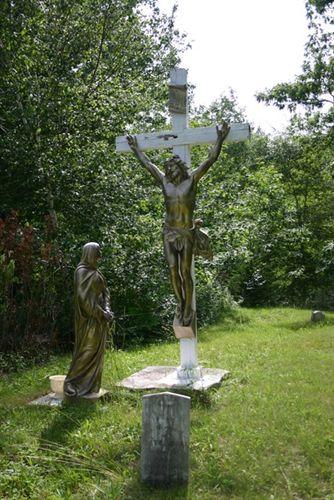 Saint Anne's Mission ChurchIndian Island, Nova Scotia
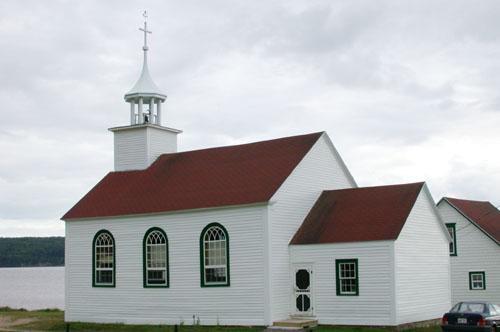 Sainte-Anne-de-Beaumont ChapelMemramcook, New Brunswick
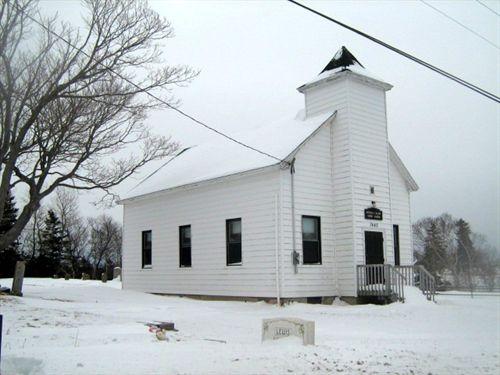 Mitchell Island Union ChurchPoint Edward, Nova Scotia
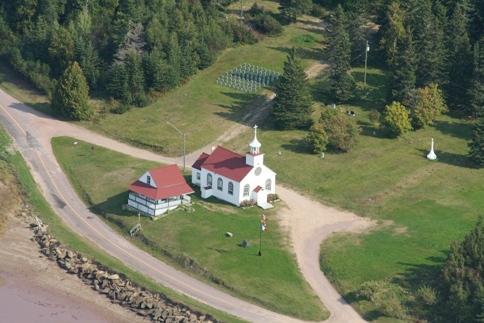 Former Mi'kmaq Reserve at BeaumontMemramcook, New Brunswick
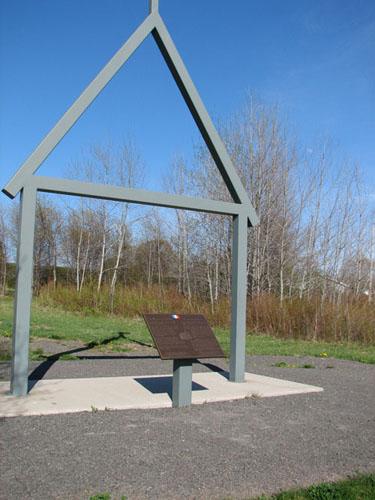 First Chapel SiteDieppe, New Brunswick
 Covenanters' Church National Historic Site of CanadaKings, Nova Scotia
From the Canadian Register of Historic Places, as last updated on December 12, 2025. The register’s text is shown word for word.