National Historic Site of Canada
Battle of Cook's Mills National Historic Site of Canada
Welland, Ontario
Also known as Battle of Cook's Mills, Bataille de Cook's Mills
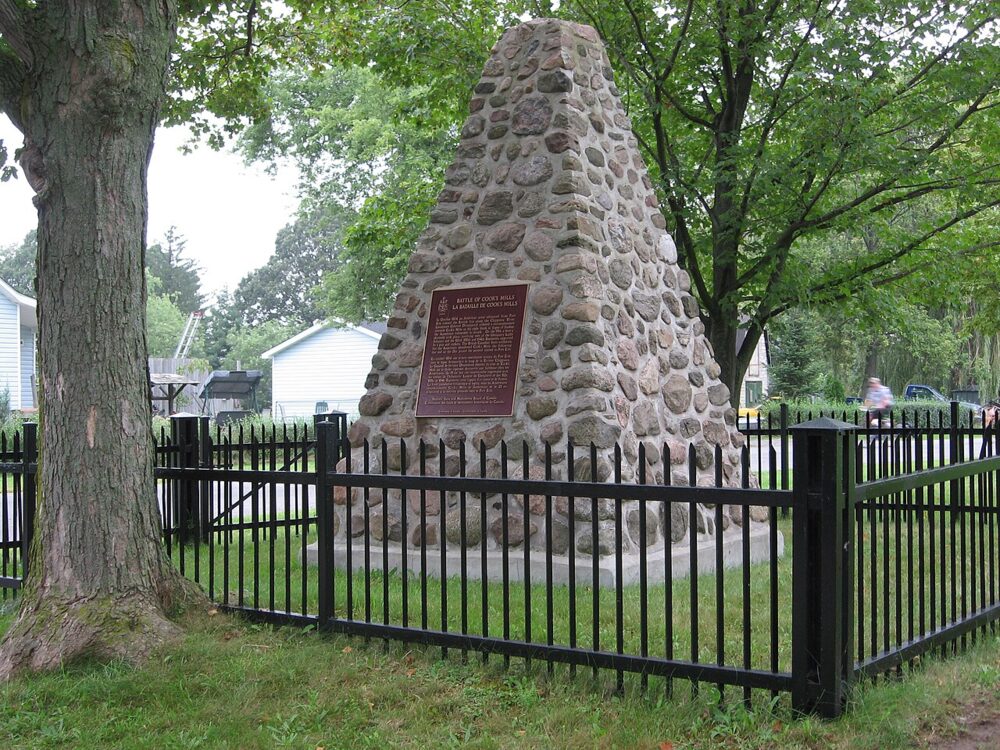
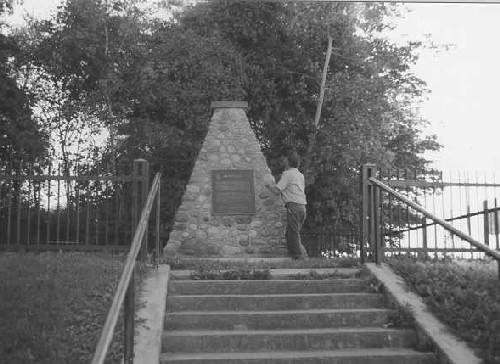
Not from the Register. Photo: Qviri, Wikimedia Commons · CC BY-SA 2.5
- Recognized
- 1921
- By
- Government of Canada
The register’s text, word for word
Description
The Battle of Cook's Mills National Historic Site of Canada is a rolling semi-rural landscape east of the Welland Canal bordering the north bank of Lyon’s Creek in the City of Welland, Ontario. It was the site of an engagement between British and Canadian troops and American forces during the War of 1812. There are no known extant remains of the battle; however, a cairn and plaque erected by the Historic Sites and Monuments Board of Canada in 1977 marks the south-west corner of the battle site. Official recognition refers to the designated polygon north of Lyon's Creek.
Heritage value
The Battle of Cook’s Mills was designated a national historic site of Canada in 1921 because:
- British and Canadian troops forced the Americans to withdraw following a heavy skirmish at Cook’s Mills, 19 October 1814.
The Battle of Cook’s Mills was an important engagement for British and Canadian troops during the War of 1812. After his unsuccessful siege of Fort Erie, Lieutenant-General Gordon Drummond withdrew north and concentrated his army along the Chippawa River. In October 1814, American forces under Major-General George Izard advanced northwards. On 18 October Izard ordered Brigadier General Bissell with a force of about 900 men to march to Cook's Mills, a British outpost, to seize provisions in the form of wheat intended for British troops. On October 19, at Cook's Mills, a heavy skirmish took place, involving men of the Glengarry Light Infantry and the 82nd, 100th and 104th Regiments. Led by Lieutenant-Colonel Christopher Myers the British and Canadian troops succeeded in their objective of assessing the American forces so that Drummond could take appropriate action. Having accomplished their reconnaissance in force they withdrew in good order. Bissel also accomplished his mission of destroying the wheat stored at the mills after which he and his men withdrew to join the main American force. Shortly afterwards the Americans destroyed Fort Erie and re-crossed the Niagara River to go into winter quarters.
SourceHistoric Sites and Monuments Board of Canada, Minutes, October 1966.
Character‑defining elements
The key elements that contribute to the heritage character of this site include:
- its location on the north bank of Lyon’s Creek in the City of Welland, Ontario;
- the rolling semi-rural character of the landscape where the Historic Sites and Monuments Board of Canada plaque and cairn marking the battlefield are located;
- the north side of Lyon’s Creek, a tributary of the Chippawa River, used by Drummond as a defensive position during the battle that now forms part of the designated place;
- the integrity of any surviving or as yet unidentified archaeological remains which may be found within the site in their original placement and extent;
- viewscapes from the battlefield to the creek.
End of the register’s text
Location
Corner of Lyons Creek and Matthews Roads, Welland, Ontario, Canada
42.99814° N, 79.17466° W
Get directions (opens in a new tab)Being on the register doesn’t make a place open to visitors. Many are private homes or businesses; please view them from the street.

Loading map…
Nearby
All 15 places in Welland
Similar places
Places whose register descriptions are closest to this one.
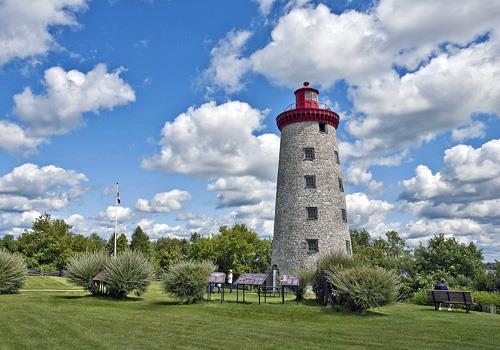 Battle of the Windmill National Historic Site of CanadaPrescott, Ontario
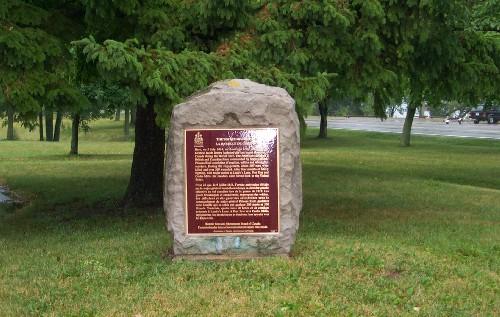 Battle of Chippawa National Historic Site of CanadaNiagara Falls, Ontario
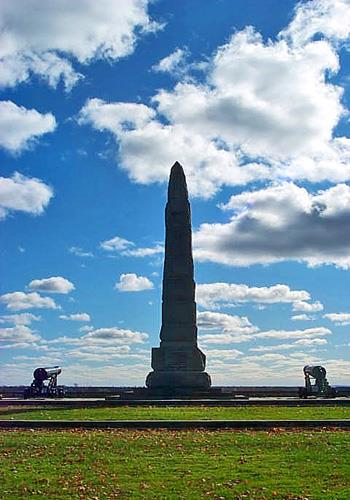 Battle of Crysler's Farm National Historic Site of CanadaMorrisburg, Ontario
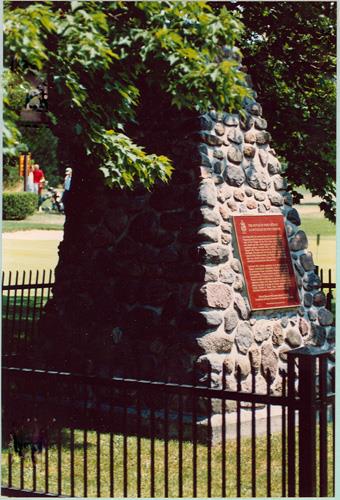 Battlefield of Fort George National Historic Site of CanadaNiagara-on-the-Lake, Ontario
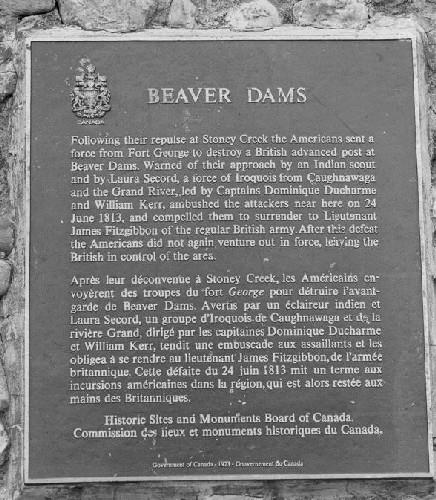 Battle of Beaver Dams National Historic Site of CanadaThorold, Ontario
 Battle Hill National Historic Site of CanadaSouthwest Middlesex, Ontario
From the Canadian Register of Historic Places, as last updated on December 12, 2025. The register’s text is shown word for word.