The Gulf Islands
Also known as: The Gulf Islands, Mayne Island Japanese Garden
Description
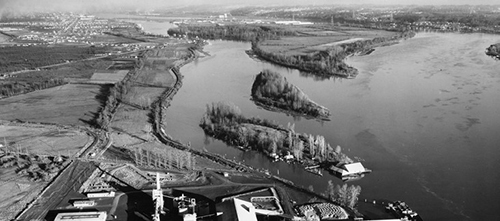
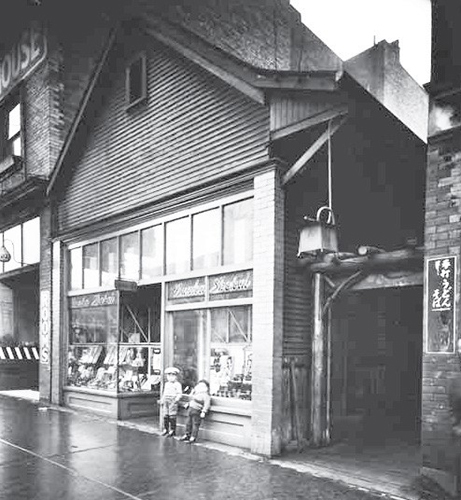
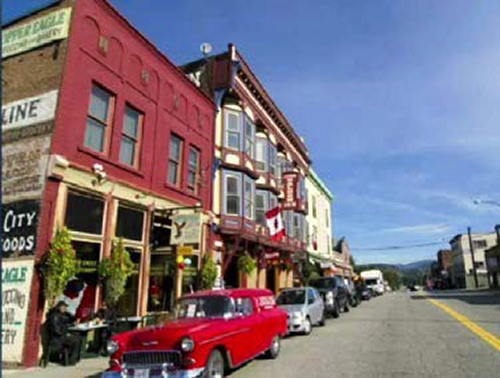
The Southern Gulf Islands are the islands in the Salish Sea (formerly known as the Strait of Georgia), between south Vancouver Island and the mainland of B.C. They include hundreds of islands and islets, and form part of a larger archipelago that also includes the nearby San Juan Islands in the state of Washington. The islands, known today for their natural beauty and the culture of farming, wine-making and creating art, hold evidence of an extensive former presence of Japanese Canadian communities.
Heritage Value
B.C.'s Southern Gulf Islands have historic, cultural and social value to the Japanese Canadian community due to their thriving presence and influence on island life. The diversity and extent of Japanese Canadian historic places on these islands, and other intangible features, are strong reminders of their contribution to the Gulf Island communities.
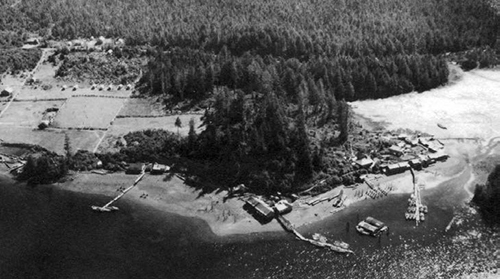
Beginning in the late 1890s until World War II, these islands were home to a thriving Japanese Canadian community who were drawn here for fishing, logging and other economic opportunities. These relatively isolated islands offered a refuge with the possibility of starting businesses on inexpensive land.
Islands including Mayne, Salt Spring, Saturna and Gabriola hold rare physical evidence of the social and economic impacts the Japanese communities made, such as the remains of Japanese gardens and greenhouse operations, charcoal pit kilns, logging, sawmilling and fishing sites, places of agriculture and multi-ethnic places. Place names such as Kadonaga Bay on Mayne symbolize the settlement history of Japanese immigrants who made important contributions to the economic and social fabric of the island and the whole of B.C.
The community-minded character of Japanese Canadians is evident through the building of schools, halls and churches, as well as generous donations to community projects. Galiano's North End Hall for example, formerly a school, holds early photographs and students' names as evidence that more than half of the school children were Japanese Canadian prior to 1942.
Japanese settlers used traditional knowledge to innovate existing sectors on the islands. Notable are the existing traces of an ancient knowledge, brought from Japan, of using stone charcoal pit kilns for making charcoal. Japanese Canadians recognized the potential of charcoal for the salmon canning industry to melt the lead that sealed the tins, in the explosives industry, for soap-making and blacksmithing. The remains of charcoal pit kilns are found on Galiano, Mayne and Salt Spring islands. Kilns on Galiano and Salt Spring have since been excavated, restored and interpreted.
Japanese Canadians excelled in other economic pursuits as well, adapting skills to business sectors that suited the environmental, technological, social and cultural conditions found on the islands. The Koyama fish camp played a large role in the economic and social development of Silva Bay and Gabriola Island, while the Japanese-owned Sunrise Sawmill was a substantial establishment and significant employer of local labour.
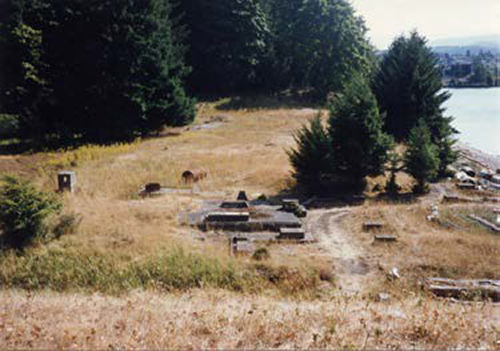
On Mayne Island, where one third of its population were of Japanese descent prior to World War II, Japanese Canadians established market gardens and were instrumental in pioneering the use of greenhouses. Farms produced a variety of goods, leading to the island's reputation today as an agricultural mecca. The former Japanese garden has been painstakingly researched and restored by volunteers to create an authentic experience and serve as a reminder of the history of Japanese Canadians in the region.
The islands hold important spiritual associations and connections to the Japanese Canadian community. The Galiano Community Cemetery has two Japanese Canadian gravestones dating from the early 1900s. St. Christopher's Church on Saturna is a rehabilitated Japanese Canadian boat-building facility. The Salt Spring Island Heiwa Memorial Garden commemorates the Japanese Canadian community and their contributions.
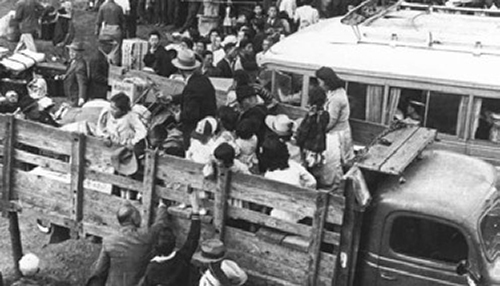
Social value is found in the ongoing projects by residents that commemorate the Japanese Canadian presence throughout the islands. As elsewhere along coastal B.C., all people of Japanese ancestry were deprived of their land, homes, and personal possessions and were interned in camps during World War II. Most Japanese Canadians did not return to the Gulf Islands, leaving the effects of the forced relocation alive in living memory only on the islands today.
Character-Defining Elements
Not applicable
Gallery
3 imagesLocation
Loading map...
Similar Places
Heritage sites with similar characteristics