Provincially Recognized Heritage Site (Recognized)
Seymour Valley (McKenzie Creek Japanese Camp)
North Vancouver, British Columbia
Also known as Seymour Valley Camp
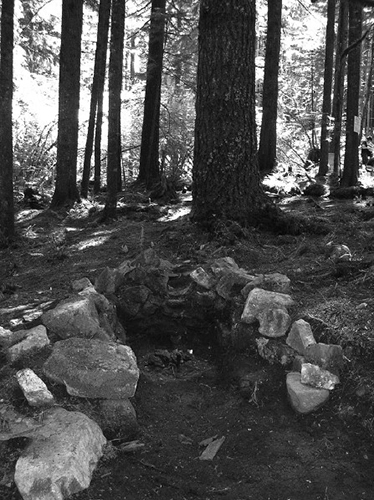
Seymour Valley Camp;
- Recognized
- 2017
- By
- Province of British Columbia
The register’s text, word for word
Description
The Seymour Valley Camp consists of the location and physical remains of a Japanese Canadian logging camp in B.C.'s North Shore mountains.
The camp is located in North Vancouver in the Lower Seymour Conservation Reserve, the lower Seymour Valley, north of Burrard Inlet in the Greater Vancouver Region. It is west of the Seymour River, midway between Rice Lake and Seymour Lake, between McKenzie and Hydraulic creeks, within District Lot 953, and bisected by the Seymour Valley Trailway. Creeks mark the northern and southern boundaries of the camp, and the toe of a steep mountain slope is the western boundary, while the eastern boundary is determined by the density of artifacts in that location. Several large stumps of first-growth trees are prominent at the site, surrounded by second-growth forest.
Heritage value
The Seymour Valley Camp has historic, economic, cultural and social value, principally for being rare remaining evidence of a Japanese Canadian logging settlement in the B.C., displaying the living and working conditions of Japanese Canadian forestry workers and their families.
Established about 1920, the Camp has historic value as an example of an early Japanese Canadian logging camp, illustrating the significant role Japanese Canadians played in the province's lumber industry in the first decades of the 20th century. Most certainly founded by Eichiki Kagetsu, a prominent Japanese Canadian lumberman - he also owned a lumber camp at Fanny Bay - the place helps to demonstrate lumbering as one of the major industries that drew Japanese Canadians to Canada as a source of cheaper labour, as well as their entrepreneurship in owning their own lumbering operations.
Unlike most typically communal B.C. logging camps of the early 20th century, with bunkhouses and a central kitchen, the Seymour Valley Camp is important for demonstrating an alternative living situation through the evidence of approximately 12 individual small houses inhabited by Japanese Canadian loggers and their families. While the logging operation shut down in 1930, there is evidence that suggests a small group of Japanese Canadians may have continued to live at the camp until their forced internment in 1942.
The place is significant for its still-intact material evidence of the former Japanese Canadian settlement, including a wooden roadbed that runs through the camp, stone foundation of a Japanese bathhouse or ofuro, a stone wall (possibly part of a shrine), a garden area and a water reservoir. These features provide a view into life in Japanese Canadian logging camps in B.C. in the early 20th century, disclosing important evidence of Japanese Canadian adaptation to local conditions and the maintenance of Japanese Canadian cultural traditions within the province's logging camps. The collection of almost 1,000 artifacts through archaeological excavation, including many of Japanese origin such as bottles and dishes, and personal items such as toothbrushes, clothing and timepieces, further supports this understanding.
Excavations conducted by members of the Capilano University archaeology field school that have occurred since 2003 and the fact that this is the only Japanese Canadian logging camp in the province to be excavated by a professional archaeologist give the Seymour Valley Camp considerable educational value.
SourceProvince of British Columbia, Heritage Branch
Character‑defining elements
Not applicable
End of the register’s text
Location
North Vancouver, British Columbia, Canada
49.39180° N, 122.99952° W
Get directions (opens in a new tab)Being on the register doesn’t make a place open to visitors. Many are private homes or businesses; please view them from the street.

Loading map…
Similar places
Places whose register descriptions are closest to this one.
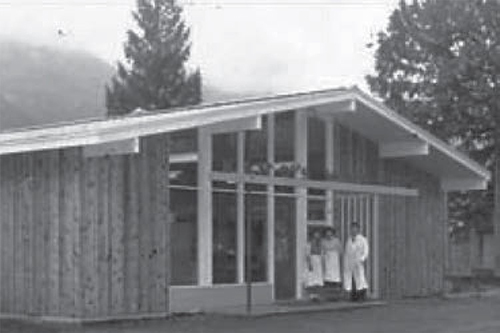 Slocan City and Slocan Extension Internment CampsSlocan City, British Columbia
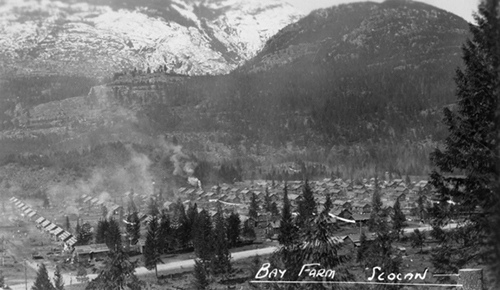 Bay Farm Internment CampSlocan City, British Columbia
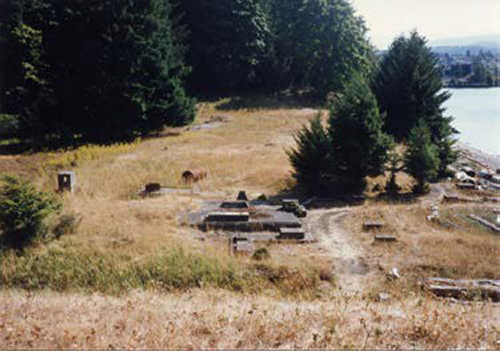 Newcastle Island and Nanaimo ShipyardsNanaimo, British Columbia
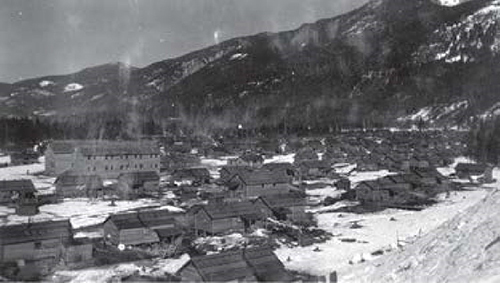 Lemon Creek Internment CampLemon Creek, British Columbia
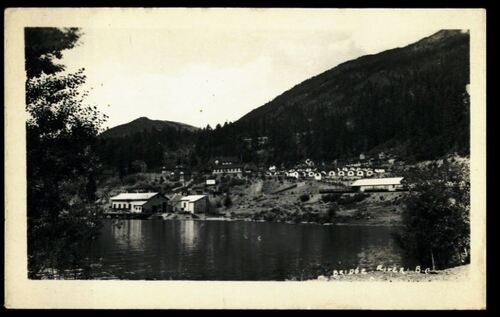 Bridge River Internment SiteSouth Shalalth, British Columbia
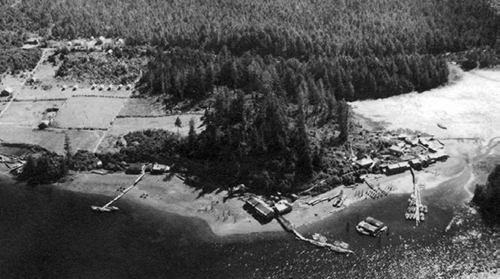 West Coast of Vancouver Island (Tofino and Ucluelet)Ucluelet, British Columbia
From the Canadian Register of Historic Places, as last updated on December 12, 2025. The register’s text is shown word for word.