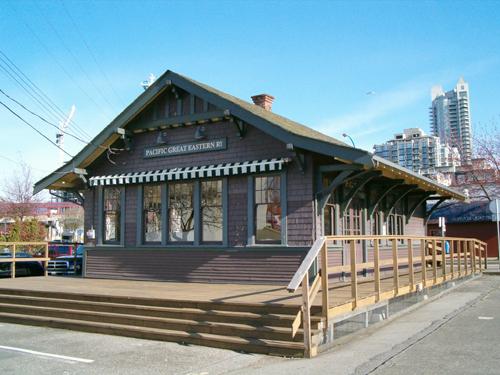
Exterior view of the Pacific Great Eastern Railway Station, 2004
Photo: City of North Vancouver, 2004
- Built
- 1913–1914
- Recognized
- 1997
- By
- Local government
The register’s text, word for word
Description
The Pacific Great Eastern Railway Station is a one-storey wooden building with a shallow-pitched gabled roof and deep flared eaves. The station is situated just south of its original location at the south foot of Lonsdale Avenue near the waterfront.
Heritage value
The heritage value of the Pacific Great Eastern (PGE) Railway Station is associated with its location in Lower Lonsdale, the commercial core of North Vancouver, and the earliest, most historic area of commercial buildings on the North Shore of Burrard Inlet. Lower Lonsdale grew explosively from the turn of the twentieth century until the general financial depression in 1913 halted the ambitious construction of the previous years. The area represents a formative period in B.C.'s economy, driven at the time by major industries including logging and shipbuilding. The streetcar, ferry to Vancouver and the PGE railway all converged at the south foot of Lonsdale Avenue, the major transportation hub on the North Shore. Today, water and bus transit continue to meet at this strategic location, and the PGE station serves as a reminder of the area's historic significance.
The PGE Railway Station is valued as a rare surviving structure of the early railway era on the North Shore. The PGE was incorporated in 1912 to provide railway services from Vancouver to Prince George. The railway had an important role in the economic growth of North Vancouver, providing a link to the resources of the interior of the province, as well as passenger services to Horseshoe Bay and West Vancouver. The station is significant as representing small- to medium-sized railway stations across the nation, typically side-gabled or hipped roof structures with bellcast eaves, supported by large triangular brackets, provided to shelter waiting passengers.
The building is also valued for its association with its architect, Harold Cullerne (1890-1976), who designed the structure while in the employ of the Office of the Chief Engineer of the PGE.
SourceHeritage Planning Files, City of North Vancouver
Character‑defining elements
Key elements that define the heritage character of the Pacific Great Eastern Station include its:
- rectangular form, modest scale and regular massing
- location at the south foot of Lonsdale Avenue
- orientation with the waiting room facing south and the baggage area facing the street
- wood frame construction
- arrangement of loading bay doors for freight and double-hinged doors for passengers
- shallow gable roof, clad with cedar shingles, with bellcast eaves and large brackets
- regular fenestration
- multi-paned double-hung wooden-sash windows, in multiple assembly to provide extensive glazing in the south-facing waiting room
- cedar shingle cladding above a narrow lapped wooden siding base
- original interior layout, with tongue-and-groove woodwork
- documented original colour scheme, including the stained cedar shingle roof
End of the register’s text
Location
107 Carrie Cates Court, North Vancouver, British Columbia, V7M, Canada
49.30950° N, 123.08166° W
Get directions (opens in a new tab)Being on the register doesn’t make a place open to visitors. Many are private homes or businesses; please view them from the street.

Loading map…

Similar places
Places whose register descriptions are closest to this one.
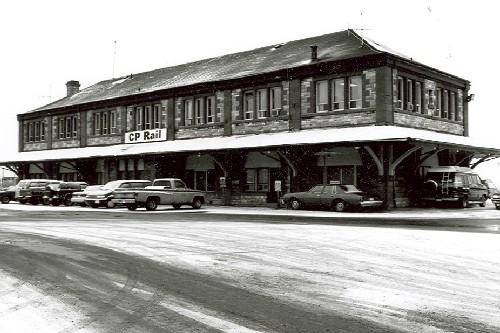 Canadian Pacific Railway StationNorth Bay, Ontario
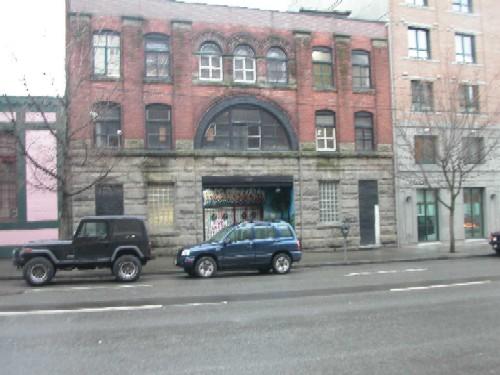 Pacific Transfer Company BuildingVancouver, British Columbia
 BC Electric Railway Company TerminalVancouver, British Columbia
 Pacific RoundhousePacific, British Columbia
 Kettle Valley Railway StationPenticton, British Columbia
 Vernon CPR StationVernon, British Columbia
From the Canadian Register of Historic Places, as last updated on December 12, 2025. The register’s text is shown word for word.