National Historic Site of Canada
Navy Island National Historic Site of Canada
Niagara Falls, Ontario
Also known as Navy Island, Île-Navy, Niagara National Historic Sites of Canada
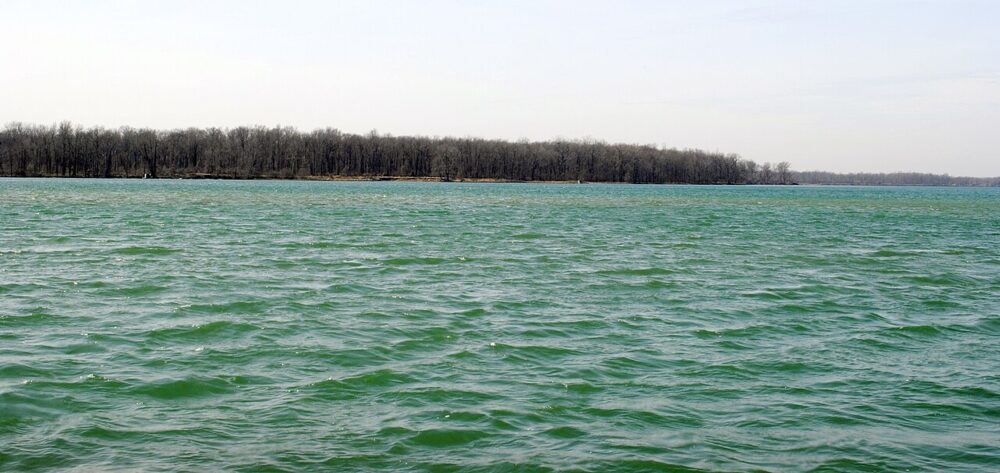
Not from the Register. Photo: Magnolia677, Wikimedia Commons · CC BY 4.0
- Built
- 1761
- Recognized
- 1921
- By
- Government of Canada
The register’s text, word for word
Description
Navy Island National Historic Site of Canada is a heavily wooded, uninhabited island on the Canadian side of the Niagara River just above Niagara Falls, Ontario. In the 1760s, Navy Island became the first British shipyard to serve the Upper Great Lakes and, during the Rebellions of 1837, was the seat of William Lyon Mackenzie’s exiled government. The island features many surviving archaeological resources. Official recognition refers to the entire island.
Heritage value
Navy Island was designated a National Historic Site of Canada in 1921. It is recognized because:
- the British used [it] from 1761 to 1764 as a shipyard in which to build the first British decked vessels to sail the upper lakes.
- [on the] 14 December 1837, William Lyon Mackenzie, after being defeated at Toronto, led a "Patriot" army from Buffalo to occupy Navy Island.
In 1761, the British established a shipyard on Navy Island to build ships required to transport troops and supplies to Lake Superior and Lake Huron. During Pontiac’s uprising in 1763-1764, three schooners (Boston, Gladwin and Victory) and two sloops (Charlotte and Huron) constructed at the shipyard were transported troops and supplies to the siege of Fort Detroit. The dockyard was transferred to Detroit in the late 1760’s, where the current was less swift. Navy Island also played a very significant role in the Rebellions of 1837 in Upper and Lower Canada. Following his failed attempt to seize control of the government in December 1837, William Lyon Mackenzie, leader of the Upper Canada Rebellion, fled to Buffalo. He established a “government in exile” on Navy Island. The rebels were joined by American sympathizers, and the island was soon ringed by crude fortifications against an expected invasion by British troops and Canadian militia. The swift reactions by local militia and British regulars prevented his moving to the mainland, and on 14 January 1838, facing a hopeless situation, he abandoned the island. The occupation of Navy Island lasted little more than a month, but the impact of Mackenzie’s rebellion, and a similar uprising in Lower Canada, reverberated through the colonies. The Rebellions of 1837-1838 were key events in the escalation of political conflict in Upper Canada, and played a role in the reform of the political system in both Upper and Lower Canada.
SourceHistoric Sites and Monuments Board of Canada, Minutes, May 1927, June 1968; Commemorative Integrity Statement, June 1998; Plaque Text.
Character‑defining elements
Key elements contributing to the heritage value of this site include:
- its isolated and strategic location, in the middle of the Niagara River, above the falls of the same name, close to the Canada-United States border, in Ontario;
- the geological formation of the shoreline, allowing access to small boats;
- the heavily wooded growth of the surrounding landscape;
- any surviving or as yet unidentified archaeological resources associated with the French and British shipyards, which maybe found within the site in their original placement and extent, including pottery;
- any surviving or as yet unidentified archaeological resources associated with the Mackenzie Rebellion, which maybe found within the site in their original placement and extent, including ceramics;
- viewscapes from the island, to both the American and Canadian mainlands.
End of the register’s text
Location
Niagara River, Niagara Falls, Ontario, Canada
43.05642° N, 79.01179° W
Get directions (opens in a new tab)Being on the register doesn’t make a place open to visitors. Many are private homes or businesses; please view them from the street.

Loading map…


Similar places
Places whose register descriptions are closest to this one.
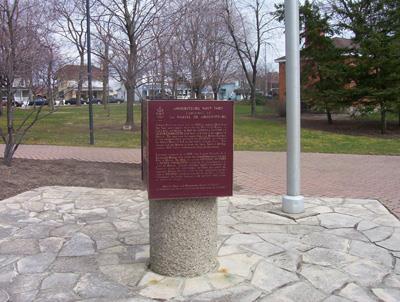 Amherstburg Navy Yard National Historic Site of CanadaAmherstburg, Ontario
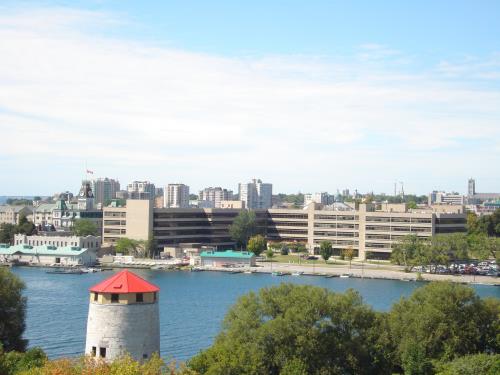 Kingston Navy Yard National Historic Site of CanadaRoyal Military College, Ontario
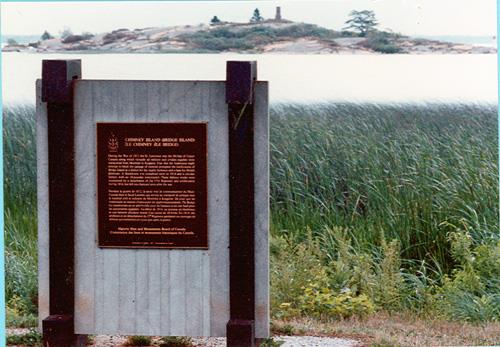 Bridge Island / Chimney Island National Historic Site of CanadaChimney Island, Ontario
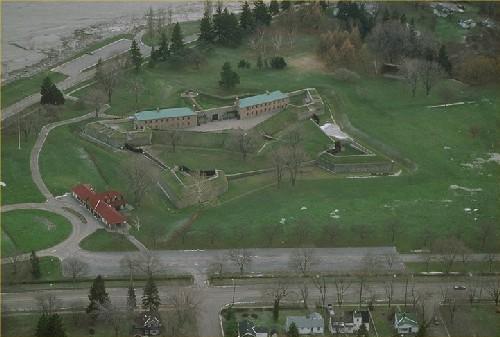 Fort Erie National Historic Site of CanadaFort Erie, Ontario
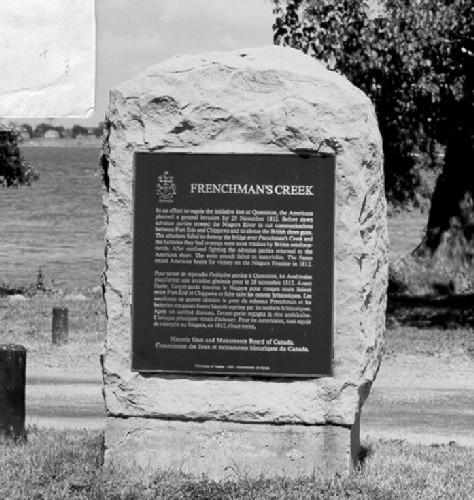 Frenchman's Creek National Historic Site of CanadaFort Erie, Ontario
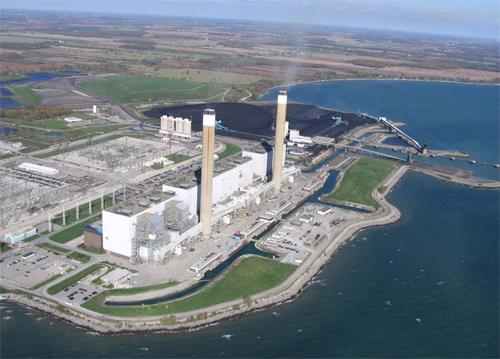 Nanticoke National Historic Site of CanadaNanticoke, Ontario
From the Canadian Register of Historic Places, as last updated on December 12, 2025. The register’s text is shown word for word.