National Historic Site of Canada
Marconi National Historic Site of Canada
Glace Bay, Nova Scotia
Also known as Marconi, First Transatlantic Radio
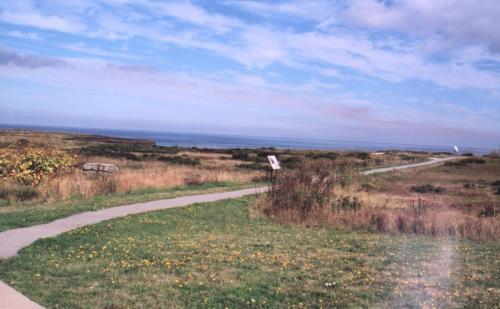
General view showing the location on an isolated, extreme easterly point of land overlooking the Atlantic Ocean.
Photo: Parks Canada Agency / Agence Parcs Canada
- Built
- 1902
- Recognized
- 1939
- By
- Government of Canada
The register’s text, word for word
Description
The Marconi National Historic Site of Canada marks the isolated site where Guglielmo Marconi received the first transatlantic telegraph message in Table Head, Cape Breton Regional Municipality, Nova Scotia. It is situated on a plateau above high cliffs overlooking the Atlantic Ocean, and contains the remains of two telegraph towers that once supported Marconi’s antennae and the foundation walls of his receiving room and powerhouse. The official recognition refers to the parcel of land where the remains are located and the associated landscape.
Heritage value
The Marconi site was designated a National Historic Site of Canada in 1939 because:
- it is the site of the first exchange of radio messages across the Atlantic, an event of national historic significance;
- it commemorates the efforts and accomplishments of Guglielmo Marconi in the field of wireless communications.
The heritage value of the Marconi National Historic Site of Canada lies in its historical association with the work of Guglielmo Marconi as illustrated by the surviving cultural landscape. This value resides in the setting and disposition of the site and in the archaeological remains of Marconi’s activity contained within the site.
Guglielmo Marconi used this site as his first commercial research and transmission facility during the years 1902-1904 before moving his headquarters to a new location. He received and sent the first exchange of radio messages across the Atlantic at this location. The station constructed in 1902 consisted of four towers 64 metres high, set in a square-shaped 64 metre square piece of land, which together supported an antenna of copper wires in the shape of an inverted pyramid. An operating room and powerhouse were constructed in the middle of the square with a residence for senior staff at the south end of the site. These facilities were dismantled and moved to a larger site between Glace Bay and Port Morien, in 1904.
SourceHistoric Sites and Monuments Board of Canada, Minutes, June 1983; Ministerial Agreement with the Marconi Celebration Trust, 1985; Commemorative Integrity Statement, March 2004.
Character‑defining elements
Key elements that contribute to the heritage character of the site include:
- the location on an isolated, extreme easterly point of land overlooking the Atlantic Ocean;
- the natural landscape with its open plateau;
- the surviving square footprints of towers and the remains of the eight metres squared foundation walls in their approximately 1 metre-high profiles and their concrete materials;
- the spatial relationships of the remains to one another;
- any surviving evidence of Guglielmo Marconi remaining on the site;
- the site’s viewscapes northeast across the Atlantic; west, to the sites of Marconi’s two relocated tower bases; on Marconi’s original residential site, which is very well hidden underneath Timmerman Street or beneath the private houses on the south side of the street; and, towards the northeast across the Atlantic Ocean.
End of the register’s text
Location
Timmerman and Vivian Streets, Glace Bay, Nova Scotia, Canada
46.21105° N, 59.95258° W
Get directions (opens in a new tab)Being on the register doesn’t make a place open to visitors. Many are private homes or businesses; please view them from the street.

Loading map…
 Glace Bay Universal Negro Improvement Association900 m · 1918
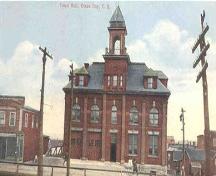 Old Glace Bay Town Hall1.6 km · 1902
 Dominion Schoolhouse6.3 km · Dominion · 1888
 Marconi Wireless Station National Historic Site of Canada6.3 km · Marconi Towers · 1905
 Port Morien Rectory Bed and Breakfast10 km · Port Morien · 1885
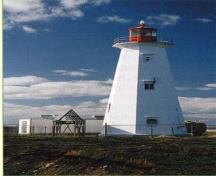 Flint Island Lighthouse11 km · Flint Island · 1961
Similar places
Places whose register descriptions are closest to this one.
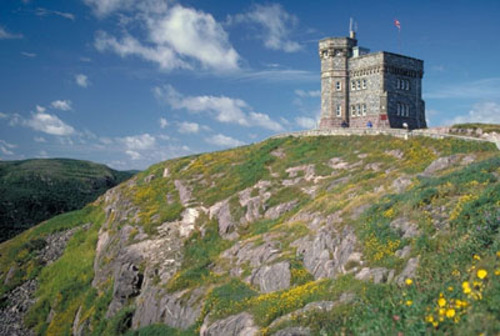 Signal Hill National Historic Site of CanadaSt. John's, Newfoundland And Labrador
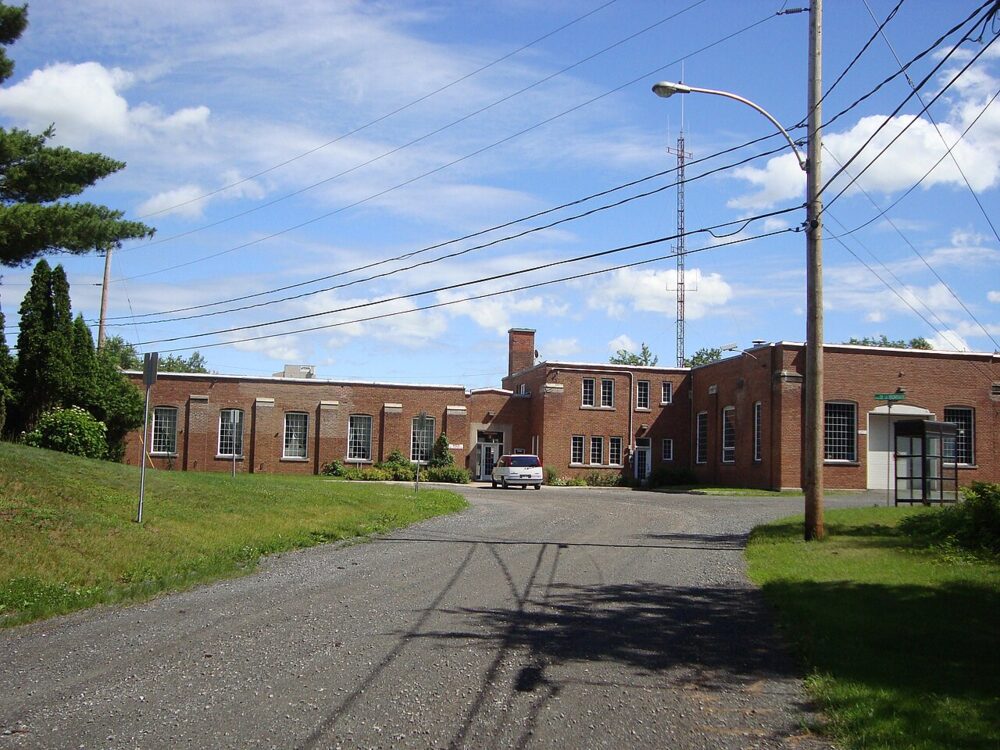 EnhancedPoste de transmission MarconiRue des Trois-Maisons, Quebec
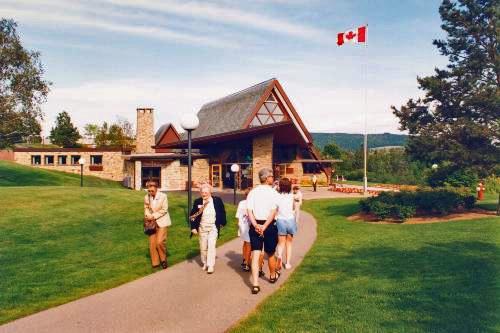 Alexander Graham Bell National Historic Site of CanadaBaddeck, Nova Scotia
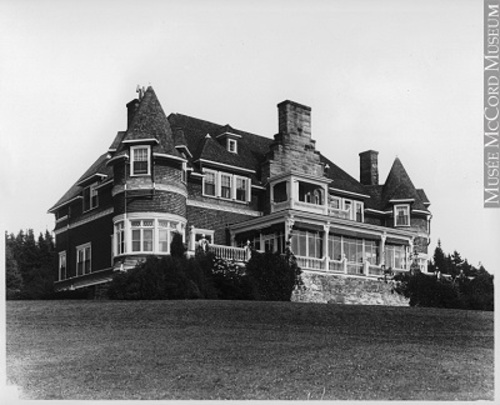 Beinn Bhreagh Hall National Historic Site of CanadaBaddeck Bay, Nova Scotia
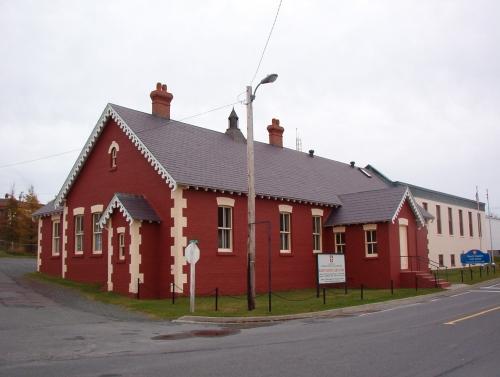 Heart's Content Cable StationHeart's Content, Newfoundland And Labrador
 Grassy Island Fort National Historic Site of CanadaCanso, Nova Scotia
From the Canadian Register of Historic Places, as last updated on December 12, 2025. The register’s text is shown word for word.