Provincially Recognized Heritage Site (Recognized)
Khalsa Diwan Society Gurdwara
Vancouver, British Columbia
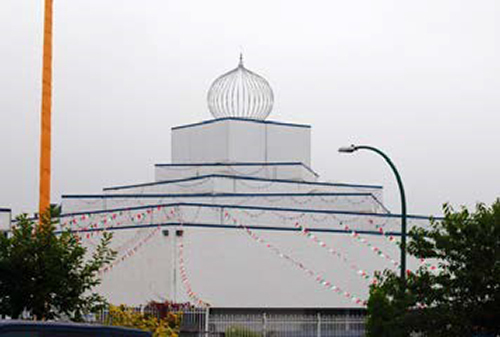
Khalsa Diwan Society Gurdwara
Photo: Bhupinder Hundal
- Built
- 1908–0001
- Recognized
- 2020
- By
- Province of British Columbia
The register’s text, word for word
Description
The historic place is the original location of the Khalsa Diwan Society Sikh gurdwara at 1866 West 2nd Avenue, Vancouver, B.C.
Heritage value
The Khalsa Diwan Society Gurdwara has historic, cultural, social and political value for being the oldest Sikh Temple in North America constructed in 1908 and home of the oldest Sikh society in Greater Vancouver and the centre of early South Asian life in the province, and for symbolizing the history of South Asians everywhere.
The central importance of the Sikh temple in South Asian communities in B.C. in the early 20th century resulted from the Sikhs comprising the only South Asian group in B.C. populous enough to build and maintain temples or community centres. As part of South Asian culture in the Punjab, it was natural for practitioners of Muslim, Sikh, and Hindu religions to participate in each other's festivals and utilize each other's temples and shrines. The gurdwara, while defined as the house of the Guru and a place for Sikh worship, is typical and notable for being welcoming to, and holding significance for, all immigrants from India during this early and often difficult period. Sikhs, Hindus and Muslims alike found refuge from racism and discrimination in the historic site, which served as a religious, political, cultural, and social service centre for the entire South Asian immigrant population of the Lower Mainland during its early history. It is significant that, despite most South Asian immigrants being transient workers who only intended to stay in B.C. for a short time, the gurdwara grounded their presence through the creation of a spiritual space.
The gurdwara has social and historic value as a place where important political discussions and support related to South Asian immigration history took place. These include the 1907 anti-Asian riots, the 1908 anti-immigration laws, the 1913 Ghadar Movement for an independent India, and the forty-year struggle for enfranchisement between 1907 and 1947. Notably, the site was visited by Nobel Laureate Rabindranath Tagore and Indian Prime Minister Jawaharlal Nehru. These discussions and events symbolize the struggles and achievements of the South Asian community in B.C. and elsewhere.
The gurdwara has historic value for its connection to the Komagata Maru incident of 1914. Its members advocated for the rights of the passengers of the Komagata Maru, a ship carrying South Asian migrants, held in Vancouver Harbour for two months, to be welcomed ashore and encouraged to immigrate.
Designed by William Henry Archer, the original gurdwara has aesthetic value for embodying the important aspects of traditional gurdwaras, such as a second floor prayer hall, a room containing the Guru Granth Sahib, or sacred text, and the langar, or dining area and communal kitchen.
The construction of a new gurdwara and community centre on Ross Street in Vancouver and the movement of the congregation to the new space in 1970 reflects a shift in the employment patterns of South Asian workers in the city. Originally living near the sawmills along the False Creek, federal government changes to immigration regulations in 1967 resulted in a large expansion of South Asian settlement in South Vancouver. The Sikh community was now concentrated along south Main Street and Marine Drive in South Vancouver, near the Punjabi Market and industrial and other employment opportunities near the Fraser River.
The Arthur Erickson-designed Ross Street temple is notable for its modern interpretation of a traditional gurdwara, but is connected to the original through a mosaic tile artwork brought from the Second Avenue building and incorporated into the design. Consistent with its principles and beliefs, the Khalsa Diwan temple on Ross Street continues the Sikh tradition of assisting others. Actions such as providing temporary shelter for Vancouver's homeless demonstrates its continued social and cultural value to the South Asian community and beyond.
End of the register’s text
Location
1866 West 2nd Avenue, Vancouver, British Columbia, Canada
49.26973° N, 123.14726° W
Get directions (opens in a new tab)Being on the register doesn’t make a place open to visitors. Many are private homes or businesses; please view them from the street.

Loading map…
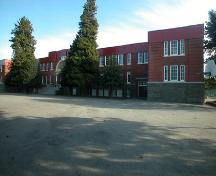
Similar places
Places whose register descriptions are closest to this one.
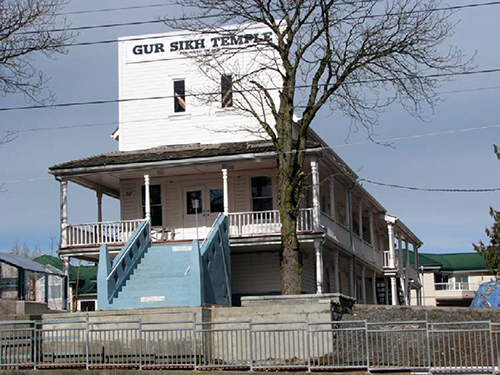 Gur Sikh TempleAbbotsford, British Columbia
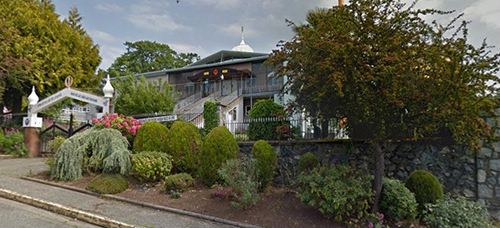 Topaz Avenue Sikh GurdwaraVictoria, British Columbia
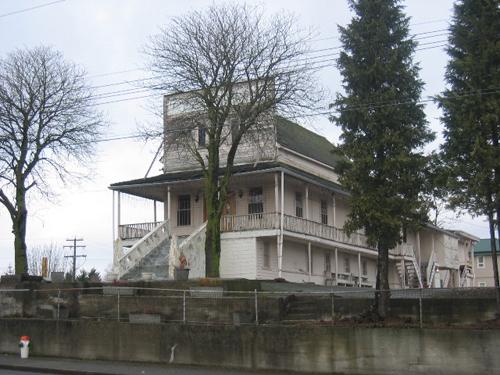 Abbotsford Sikh TempleAbbotsford, British Columbia
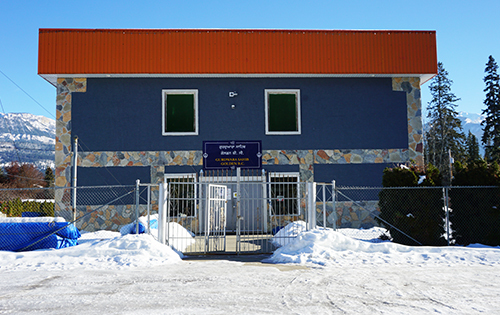 Golden Sikh TempleGolden, British Columbia
- Cariboo Gur Sikh TempleQuesnel, British Columbia
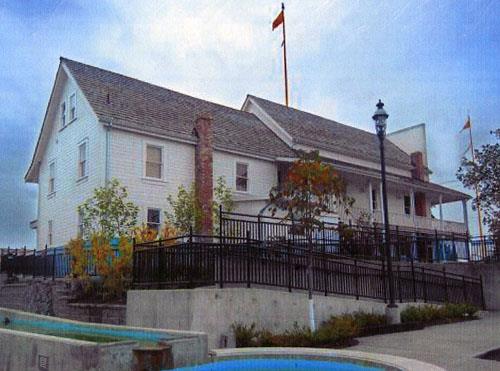 Abbotsford Sikh Temple National Historic Site of CanadaAbbotsford, British Columbia
From the Canadian Register of Historic Places, as last updated on December 12, 2025. The register’s text is shown word for word.