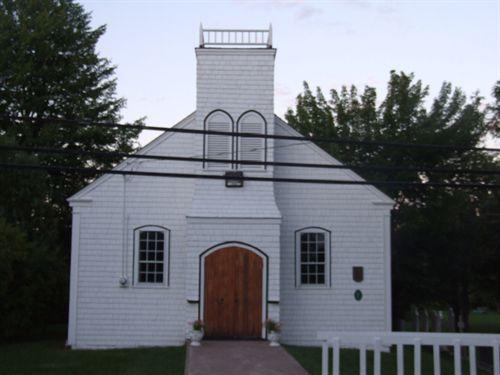
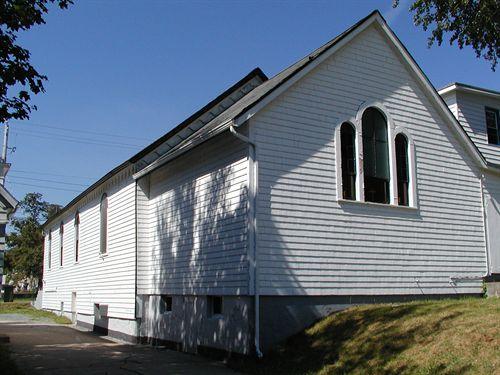
Greenville African Baptist Church
Also known as: Greenville African Baptist Church, Greenville United Baptist Church
Description
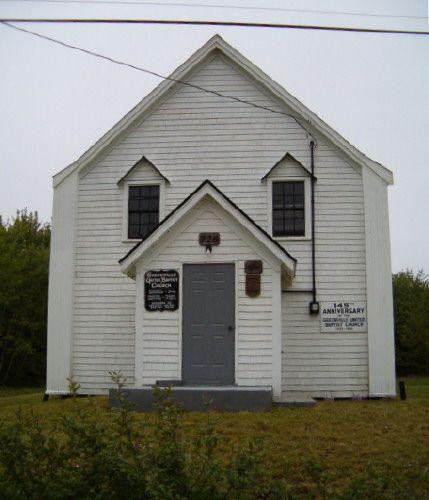
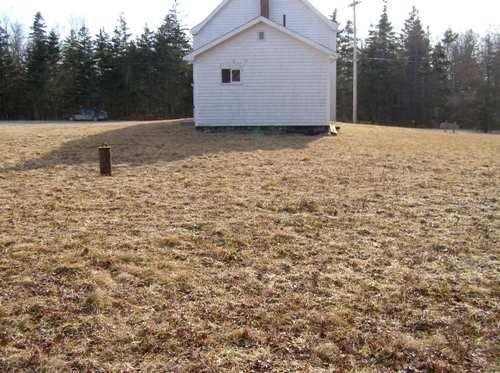
The Greenville African Baptist Church is a simple Vernacular style building that was built in 1853 by and for the people of Greenville, Yarmouth County, NS - a small community northeast of the Town of Yarmouth. Municipal heritage designation applies to the land and building.
Heritage Value
The Greenville African Baptist Church is valued as the oldest church still standing that was built for a Black community in Yarmouth County and for its association with Rev. David Dies, an early Deacon of the church. It is also valued for its unique Vernacular style of architecture.
The Greenville African Baptist Church was built in 1853 by and for the Black residents of this community. The land on which the church was built was owned at the time by George Gideon Dies, a lay member of the church, who deeded it to the Trustees of the African Church at Greenville in 1869. The Rev. David Dies, brother of George G. Dies, served as Pastor to this community for many years and lived to the memorable age of one hundred and ten years.
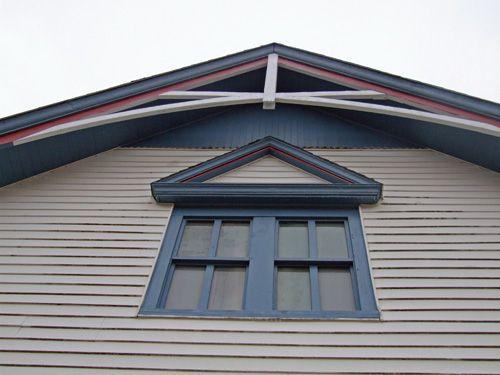
The Vernacular style of this church is unique in that much of its framing is on the exterior of the building. It is otherwise a simple, relatively unadorned, front gabled building of rectangular massing.
Source: Municipal Heritage Property files: Greenville African Baptist Church; located at 400 Main Street, Yarmouth, NS,
Character-Defining Elements
The character defining elements of the Greenville African Baptist Church include:
- location on the main road through the community;
- rectangular massing;
- enclosed front entry porch.
The character defining elements of the Vernacular style of the Greenville African Baptist Church include:
- exterior wood frame construction;
- one storey back addition;
- one storey centred front entrance;
- medium pitched gable roof with slightly bell-cast eaves;
- medium pitched gable roofs on front entry porch and back addition;
- symmetrical facade;
- double hung sash windows;
- six-over-six glazing in facade windows;
- six-over-nine glazing in side windows;
- pedimented crowns on windows;
- shingle cladding.
Gallery
3 imagesLocation
Loading map...
Similar Places
Heritage sites with similar characteristics