Hickson - Maribelli Lakes Pictographs Protected Area
Description
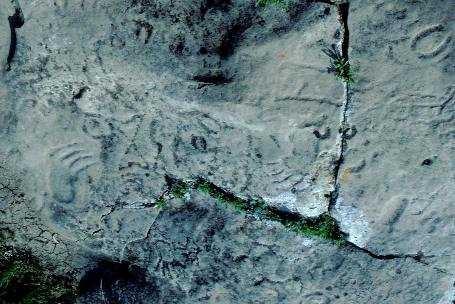
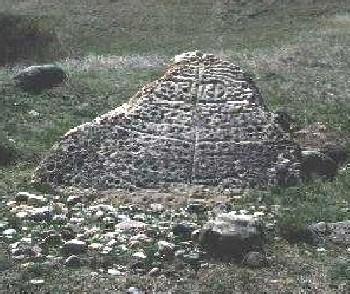
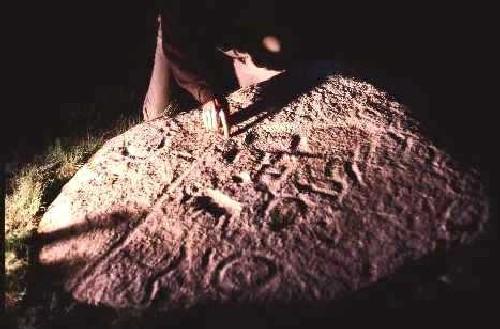
The Hickson - Maribelli Lakes Pictographs Protected Area encompasses 30 hectares of land and water at Smith Narrows between Hickson and Maribelli Lakes in northern Saskatchewan. The property features over 100 precontact rock paintings on the cliff faces that border the narrows.
Valeur patrimoniale
The heritage value of the Hickson-Maribelli Lakes Pictographs Protected Area lies in its status as the largest collection of pictographs in Saskatchewan and one of the largest in the Canadian Shield. The pictographs are important examples of a rock art tradition that extends throughout the Shield from Quebec to the Northwest Territories. The vibrant red ochre figures of humans, animals, artifacts and geometric shapes express a First Nations cosmology in which the natural world is permeated with spirit powers, and humans have a sacred relationship with the environment. Ethnohistoric evidence suggests that the painted figures might represent spirit beings sought through vision quests or shamanistic rituals. It is believed that ancestral Cree authored the paintings, likely between AD 800 and 1700. An absence of representations of European goods suggests that the pictographs are precontact in age.
First Nations today value the pictographs as an important cultural legacy bequeathed by their ancestors. The pictographs are valued as sacred places where people can reestablish connections with the spirit world and their cultural heritage.
Source:
Province of Saskatchewan, The Parks Act, May 26, 1986.
Éléments caractéristiques
The heritage value of the Hickson - Maribelli Lakes Pictographs Protected Area resides in the following character defining elements:
-elements that reflect precontact use of the property, including all known and any undiscovered rock paintings and any associated artifacts or archaeological features, as well as the spatial relationships and environmental context of the cultural remains;
-the property’s natural elements including the waterway, shoreline, and rock faces;
-contemporary First Nations use of the property for traditional spiritual and ceremonial purposes.
Lieux similaires
Sites patrimoniaux avec des caractéristiques semblables