Don and Lion Islands
Description
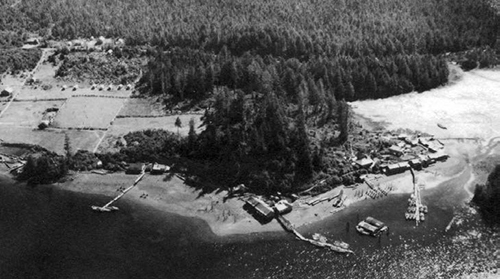
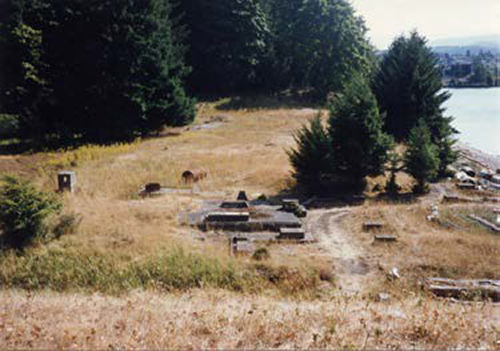
Don and Lion Islands are two small, oval-shaped wooded islands, 9 hectares and 6.5 hectares respectively, located in the South Arm of the Fraser River where it meets the Annacis Channel in Richmond, B.C. Don Island is Lot 517G1 and Lion Island Lot 516G1 in Block 4 North, Range 4 West, Section 16, New Westminster District on modern survey maps.
From 1901 to 1942 the Japanese residents of these islands called them Oikawa-jima (Don Island) and Sato-jima (Lion Island). Today, Don and Lion Islands are part of the City of Richmond.
Valeur patrimoniale
Don and Lion Islands have historic, economic, cultural and social value for their connection to Japanese Canadians in the fishing and fish-canning industries, to immigration policies and incidents of racism that occurred in B.C. prior to and during World War II, and as a testament to Japanese Canadian entrepreneurship.
Don and Lion Islands have historic value as the location of an independent Japanese Canadian settlement and community that flourished from 1901 until the mid-1920s. Originally hired by Alexander Ewen to work at his cannery on Lion Island, two Japanese immigrants, Jinzaburo Oikawa and Souemon Sato, were instrumental in creating a thriving Japanese Canadian community on the islands.
Oikawa in particular made arrangements to provide Japanese Canadian immigrants with fishing equipment, housing and contracts with the Ewen Cannery, at a time when cannery owners, unlike others in the fishing industry, were open to Japanese settlement to ensure a strong and reliable workforce for their businesses. The establishment of one of the first privately-owned Japanese fishing operations on the Fraser River through the efforts of Oikawa and Sato underscores the entrepreneurship, technological ability and contributions made to the provincial economy by Japanese Canadian immigrants.
The community created on Don and Lion Islands is important for its extent, social complexity, and traditional Japanese Canadian occupations including fishing and roe gathering, fish salting, rice milling, the cultivation of vegetables, and sake and miso production. Numerous homes and structures were built near a 600-foot fishing wharf facing the South Arm of the Fraser River, and a Japanese language school was created.
Don and Lion Islands are significant for being symbols of long-standing anti-Asian racism in B.C., which contributed to the demise of the Japanese Canadian community on the islands. This occurred both in the fishing industry in the first half of the 20th century caused by racial tensions brought on by the efficiency of Japanese Canadian fishermen, and later as a result of World War II.
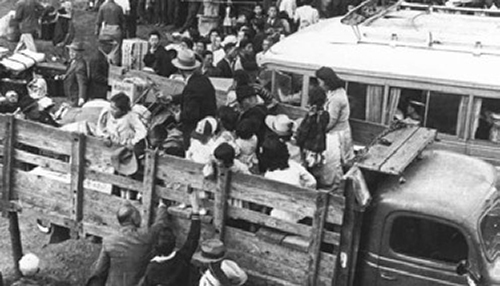
In 1919, when the communities on Don and Lion Islands were thriving, half of B.C.'s fishing licenses were held by Japanese Canadians. As a result of the non-renewal of fishing licenses and restricting where they could fish, a large portion of the Japanese Canadian community moved to find other work, and while a few families remained, they were ultimately forcibly removed and sent to internment camps in 1942.
Don and Lion Islands are significant for their connection to the history of illegal migration of Japanese Canadian migrants to B.C. in the early 20th century. While details are unknown, Oikawa chartered the ship Suian Maru, arriving on Vancouver Island in 1906 with Japanese immigrants on board. Captured and detained, but then released to create their fishing community, such incidents helped contribute to the anti-Japanese mythology then rampant in the province.
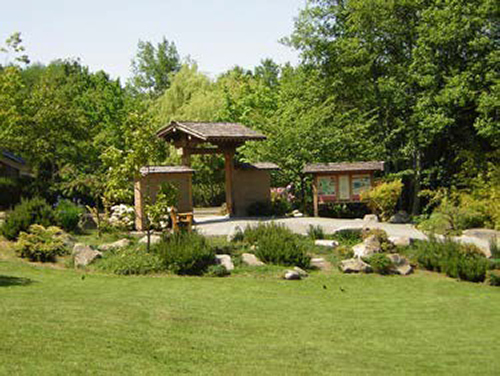
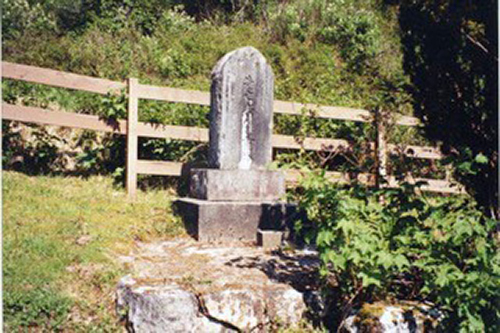
Today, a plaque commemorating the centennial of the Suian Maru's voyage stands on the Richmond, B.C., shoreline overlooking the islands demonstrates the continued social and cultural value the site has for the community.
Source: Province of British Columbia, Heritage Branch
Éléments caractéristiques
Not applicable
Location
Loading map...
Lieux similaires
Sites patrimoniaux avec des caractéristiques semblables