National Historic Site of Canada
Fort Reliance National Historic Site of Canada
Reliance, Northwest Territories
Also known as Fort Reliance
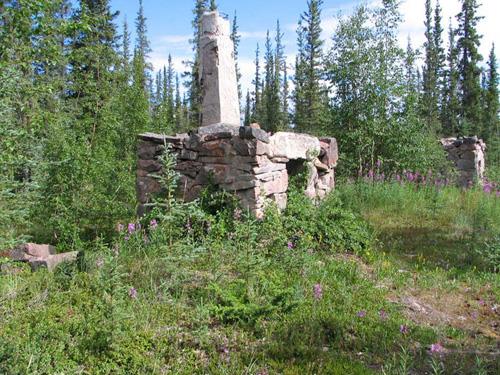
General view of the remains of Back's chimney at Fort Reliance National Historic Site of Canada, 2007.
Photo: Government of Canada / Gouvernement du Canada, D. Mulders, 2007.
- Built
- 1834
- Recognized
- 1953
- By
- Government of Canada
The register’s text, word for word
Description
Fort Reliance National Historic Site of Canada is located at the eastern end of Great Slave Lake, near the mouth of the Lockhart River in the Northwest Territories. The fort, built as a wintering site in the early 19th century, is set back from the shoreline, on a raised green terrace. Found within the site are the remains of four fireplaces and chimneys, as well as traces of foundations from cabins, piles of rubble, and other shallow pits and mounds resulting from the occupation of the site. Official recognition refers to the polygon centred on the central chimney as cited at the time of designation.
Heritage value
Fort Reliance was designated a national historic site of Canada in 1953 because:
- from this base, Captain George Back, Royal Navy (R.N.) explored much of the Thelon and Great Fish (now Back) Rivers during the summers of 1834 and 1835;
- the four stone fireplaces with their wattle and daub chimneys are unique relics of the history of exploration and commerce in Canada’s north.
Fort Reliance was built by Alexander Roderick McLeod of the Hudson’s Bay Company in 1833 on the easternmost edge of Great Slave Lake. Its original purpose was to serve as a base of operations for an expedition led by Captain George Back, R.N., who was charged with locating Captain (later Sir) John Ross after he failed to return from his 1829 Arctic voyage. Captain Back wintered at the fort between 1833-1835 and from this base explored much of the Thelon and Great Fish Rivers during the summers. The fort was abandoned in 1835 when the expedition ended, but was rebuilt and operated as a Hudson's Bay Company post for a brief period in the 1850s. The remains of the four stone fireplaces with their wattle and daub chimneys are unique relics of the history of exploration and commerce in Canada's north.
SourceHistoric Sites and Monuments Board of Canada, Minutes, 2009, 1953.
Character‑defining elements
Key elements that contribute to the heritage character of the site include:
- its location at the end of a long bay where the Lockhart River enters the eastern end of Great Slave Lake in the Northwest Territories;
- the setting of the site, set back from the shore on a raised terrace;
- the integrity of the visible remains relating to the occupation of the site, including the four large fieldstone fireplaces with their wattle and daub chimneys, foundations of the cabins, piles of stone rubble, and other shallow pits and mounds;
- the integrity of any surviving or as yet unidentified archaeological remains which may be found within the site in their original placement and extent;
- the viewscapes from the site across the Great Slave Lake.
End of the register’s text
Location
Reliance, Northwest Territories, Canada
62.47080° N, 108.56160° W
Get directions (opens in a new tab)Being on the register doesn’t make a place open to visitors. Many are private homes or businesses; please view them from the street.

Loading map…
Similar places
Places whose register descriptions are closest to this one.
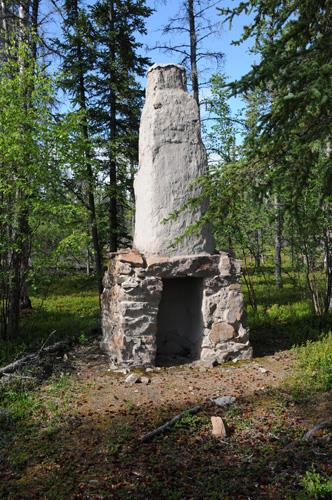 Old Fort Reliance Territorial Historic SiteFort Reliance, Northwest Territories
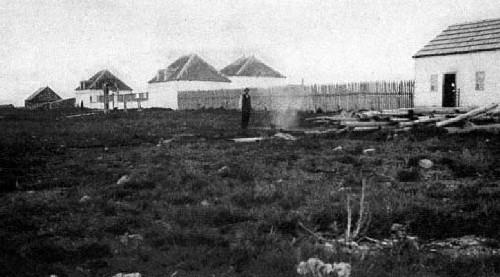 Fort Resolution National Historic Site of CanadaFort Resolution, Northwest Territories
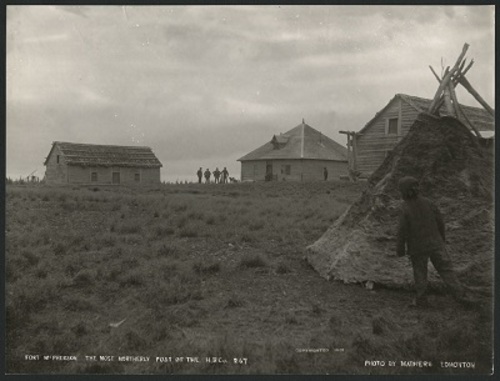 Fort McPherson National Historic Site of CanadaFort McPherson, Northwest Territories
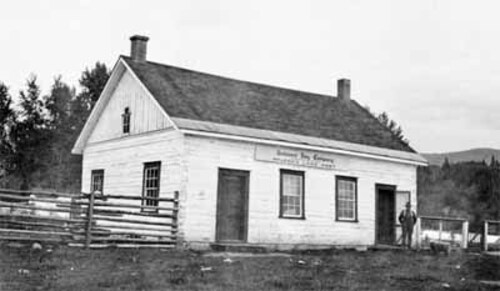 Fort McLeod National Historic Site of CanadaMcLeod Lake, British Columbia
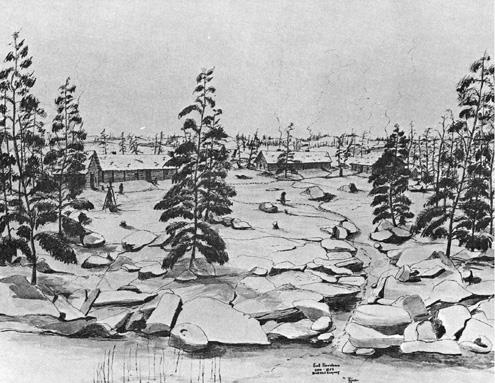 Old Fort Providence Territorial Historic SiteOld Fort Providence, Northwest Territories
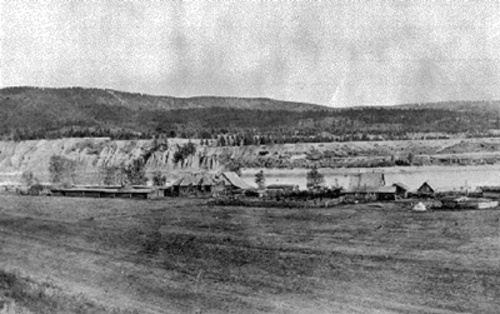 Fort Alexandria National Historic Site of CanadaAlexandria, British Columbia
From the Canadian Register of Historic Places, as last updated on December 12, 2025. The register’s text is shown word for word.