Woodside National Historic Site of Canada
Also known as: Woodside National Historic Site of Canada, Woodside, Woodside
Description
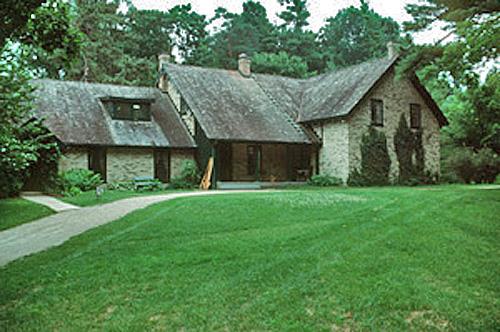
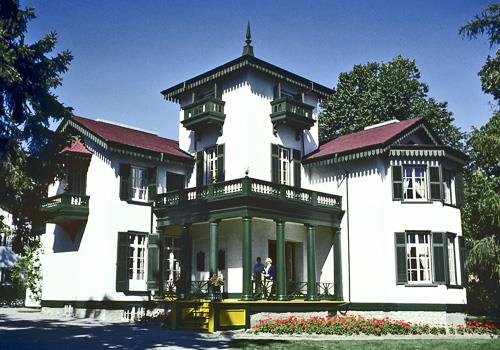
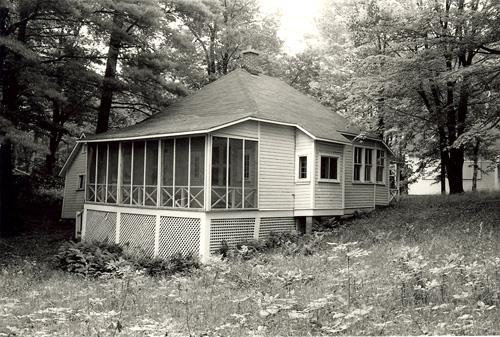
Woodside National Historic Site of Canada is a picturesque, wooded estate, set in the midst of a modern suburb in the north-east part of the city of Kitchener. It includes a one-and-a-half-storey house, reconstructed in 1942 as a mid-19th-century house and furnished in the style of the 1890s. The property also includes pathways and natural landscape features. These serve to recreate the sense of place experienced by William Lyon Mackenzie King when he lived here as an adolescent with his family. The formal recognition consists of the 4.5 hectare area occupied by the King family between 1886 and 1893.
Heritage Value
Woodside was designated a national historic site of Canada in 1952 because:
- of its association with William Lyon Mackenzie King, Canada’s tenth Prime Minister, whose home it was during his formative years of 1886-1893.
William Lyon Mackenzie King was Prime Minister of Canada from 1921 to 1930 and from 1935 to 1948. Woodside was rented by Mackenzie King’s father, and was occupied by the King family between 1886 and 1893. Mackenzie King spent eight years of his adolescence here, and according to King, Woodside was where the values and beliefs he held throughout his life were formed. Whenever he spoke or wrote of the ideal family life in later years, it was always Woodside to which he referred. When the original 1853 house was dismantled and reconstructed in the 1940s, Mackenzie King and his sister gave advice as to the appropriate design and contents.
Source: Historic Sites and Monuments Board of Canada, Minutes, May 1952.
Character-Defining Elements
Key elements which relate to the heritage value of Woodside are:
- the picturesque character of the wooded grounds and the secluded nature of the dwelling within the grounds;
- the surviving landscape elements dating to the period 1886-93, notably the tulip tree near the lily pond, woodlands areas, and sections of the original entrance laneway;
- the surviving archaeological elements dating to the period 1886-93, notably the artifacts from the excavated privy, and the privy itself;
- the form and design of the house, as reconstructed as a replica of the original King home;
- the surviving original materials from the 1853 house occupied by the King family, which were incorporated into the reconstruction;
- the surviving object collection from the 1853 house occupied by the King family.
Gallery
3 imagesLocation
Loading map...
Similar Places
Heritage sites with similar characteristics