City of St. John's Heritage Building
St. Patrick's Church Municipal Heritage Building
St. John's, Newfoundland and Labrador
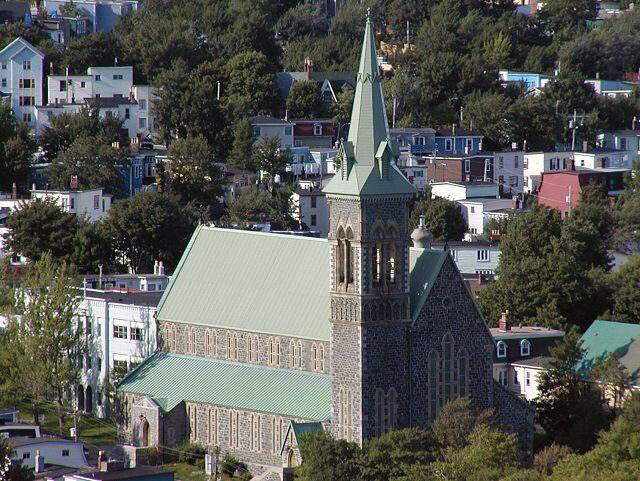
Not from the Register. Photo: Jcmurphy, Wikimedia Commons · Public domain
- Built
- 1855–1881
- Recognized
- 1989
- By
- City of St. John's
The register’s text, word for word
Description
St. Patrick's Church is an imposing Gothic Revival stone church prominently located on Patrick Street in west end St. John's. The designation is confined to the footprint of the building.
Heritage value
St. Patrick’s Church was designated a Municipal Heritage Building because it has aesthetic, historic and cultural values.
St. Patrick’s Church is aesthetically valuable because it is a beautiful example of a Gothic Revival stone construction church. This Roman Catholic Church is built with cut ashlar quarried from the nearby Southside Hills, at what was then known as Cudahy’s Quarry in St. John’s. Its Gothic Revival attributes are many, including pointed arched windows and doors, triple lancet windows and a dramatic belfry and spire. This church represents one of the best examples of masonry church construction in the province.
St. Patrick’s Church is also aesthetically valuable because it stands as a landmark within the City. Its immense spire, overall massing and size can be seen from many points in St. John’s, and it contributes to the viewscape of this historic city.
St. Patrick’s Church has historical value because it was designed by well-known Irish architect J.J. McCarthy, who also designed many other churches, including Chapel Maynooth College Kildare and St. Macarten’s Cathedral in Ireland. The church, named for the patron saint of Ireland, creates a specifically Irish-Catholic symbol in St. John’s, in an area where the Irish population was once great.
St. Patrick’s Church has cultural value because of the involvement of the Roman Catholic community in its eventual completion. The cornerstone was laid in 1855 by Bishop Mullock, a great proponent in the realization of the church. However, sporadic funding, lack of manpower, social issues and the Great Fire of 1846 caused numerous delays in the erection of St. Patrick’s Church. The building is a testament to the faith and determination of the St. John’s west parish to have a substantial and worthy church, and this was demonstrated time and again over the 25 years it took to finish. Excavation of the building's foundation was undertaken by all members of the local Roman Catholic population, including women and children. Nine years after the cornerstone was laid this parish moved 600 tons of local stone and hauled it to the site within one week, demonstrating their determination and resolve. In spite of delays St. Patrick’s Church was eventually finished by 1881, providing a solid Roman Catholic presence in this area of the city.
SourceCity of St. John’s, Council meeting held 1989/07/21
Character‑defining elements
All those elements that are reflective of the ecclesiastical Gothic Revival style of architecture executed in stone, including:
-stone exterior;
-bell tower with spire;
-rectangular layout with clerestory;
-vaulted ceiling with arcaded bays;
-triple and double stepped lancets;
-window and door openings;
-use of columns;
-king post trusses;
-wooden plank doors with crosses; and,
-building location, orientation, massing, height and dimensions.
End of the register’s text
Location
St. John's, Newfoundland and Labrador, A1E, Canada
47.55372° N, 52.71681° W
Get directions (opens in a new tab)Being on the register doesn’t make a place open to visitors. Many are private homes or businesses; please view them from the street.

Loading map…
 St. Patrick's Churchwithin 100 m · 1855
 St. Patrick's Roman Catholic Church National Historic Site of Canadawithin 100 m · 1864
 St. Patrick's Convent and Schoolwithin 100 m · 1880
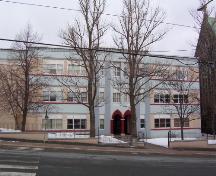 Lakecrest Independent Schoolwithin 100 m · 1953
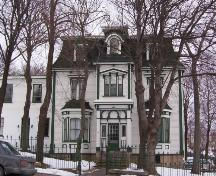 The Deanery (St. Patrick's Roman Catholic Church)within 100 m · 1884
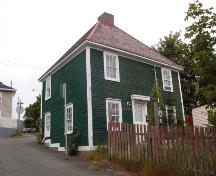 Martin McNamara House150 m · 1700
Similar places
Places whose register descriptions are closest to this one.
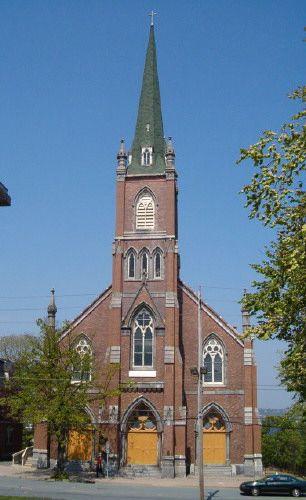 St. Patrick's Roman Catholic ChurchHalifax, Nova Scotia
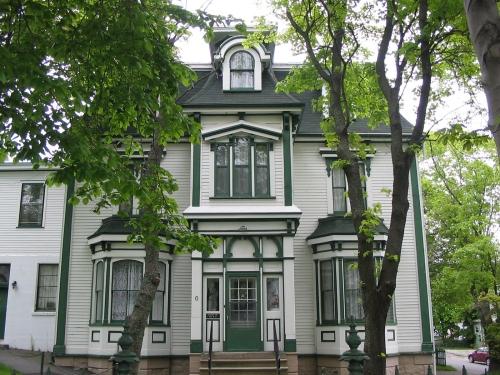 6 Patrick Street, "St. Patrick's Deanery" Registered Heritage StructureSt. John's, Newfoundland And Labrador
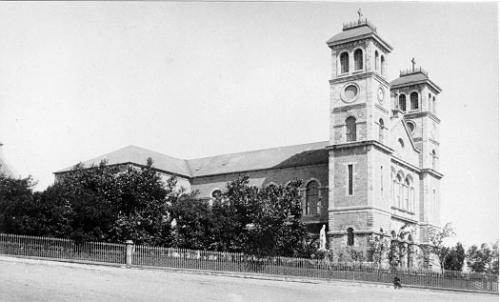 Basilica Cathedral of St. John the Baptist Municipal Heritage BuildingSt. John's, Newfoundland And Labrador
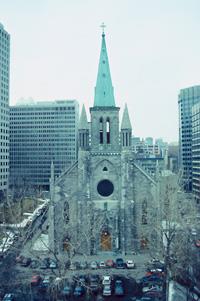 St. Patrick's Basilica National Historic Site of CanadaMontréal, Quebec
From the Canadian Register of Historic Places, as last updated on December 12, 2025. The register’s text is shown word for word.