National Historic Site of Canada
Red Bay National Historic Site of Canada
Red Bay, Newfoundland and Labrador
Also known as Red Bay, Havre des Buttes / Butus
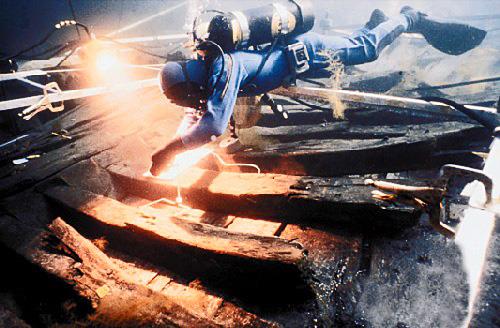
General view of Red Bay, showing the remains of 16th-century Basque whaling ships in Red Bay harbour, 2000.
Photo: Parks Canada Agency / Agence Parcs Canada, 2000.
- Built
- 1550–1620
- Recognized
- 1979
- By
- Government of Canada
The register’s text, word for word
Description
Red Bay National Historic Site of Canada encompasses one of the most protected harbours on the coast of the narrow Strait of Belle Isle between Labrador and the northern tip of Newfoundland. The site extends from the reddish coloured bluffs around the harbour to its islands and shoreline. It also extends from the bottom of the harbour basin to the hills and vantage points surrounding it. The harbour holds remains of 16th-century Basque whaling ships and the beaches and shorelines hold relics of the shore stations that once supported a thriving whaling industry. Official recognition refers to the harbour from the bluffs to the islands and shoreline, from the bottom of the basin to the hills and vantage points surrounding the harbour and includes those resources, notably landscape and archaeological, that are associated with the Basque occupancy from about 1550 to 1620.
Heritage value
Red Bay was designated a National Historic Site of Canada because:
- it contains the remains of numerous, well-preserved terrestrial and submerged cultural resources associated with one of the principal 16th-century Basque whaling ports in Canada;
- the various vessels found at Red Bay represent major developments in the evolution of ship design and construction in the 16th century.
The heritage value of the site lies in the evidence of Basque whaling activities provided by the landscape and the surviving remains of the 16th-century whaling activity found there. Red Bay National Historic Site of Canada was one of the largest whaling ports used during the 1550-1620 period by whaling expeditions sponsored by Basque merchants from France and Spain. In search of whale oil, they sent European fisherman to the Strait of Belle Isle, and then mounted regular seasonal expeditions from harbours along its coast to the south coast of Labrador and the north shore of Québec. Red Bay is of particular value because the remains within the site are numerous, diversified, and exceptionally well preserved.
SourceHistoric Sites and Monuments Board of Canada, Minutes, November 1979, 1989; Commemorative Integrity Statement, March 1997.
Character‑defining elements
Key elements that contribute to the heritage value of the site include:
- its location at the narrow neck of the Strait of Belle Isle between Labrador and the northern tip of Newfoundland;
- the natural features of the harbour that made it a suitable port for whaling including its location at the convergence of currents resulting in an abundance of flora and fauna attractive to whales, viewplanes from the port to routes of whale migration, its deep anchorage both in the basin and close to shore, its bluffs which acted both as harbour markers and vantage points, Saddle Island protecting its mouth, the small hills and promontories used for lookout and signalling purposes, the many beaches and shorelines of the harbour, and its islands that accommodated processing facilities;
- archaeological remains of shore stations buried on the beaches and shorelines of the harbour and its islands (including remains of tryworks, wharves, workshops, habitation and grave sites) in the integrity of their footprints, physical features and qualities indicative of Basque design, architecture and materials;
- archaeological remains of tools and activities indicative of the functional organization and spatial relationships on a specific shore station in the relative locations, spatial relationships and functional disposition of shore stations in relation to one another;
- any in-situ archaeological remains of whaling (including lookouts and a chapel on Saddle Island) in the integrity of their footprints, material remains, and their relative location to other whaling activities;
- archaeological remains of vessels submerged in the harbour (including remains of whaling boats, supply boats and litres) in their relative locations and disposition, particularly as it provides knowledge related to vessel design, vessel use and 16th century life at the port;
- remains of materials and tools associated with the operation of these vessels;
- archaeological remains of the San Juan and a chalupa, removed from the harbour for investigation, dismantled, and reburied; and three other small vessels removed for conservation in their complete and documented state;
- other in-situ archaeological remains of whaling (including bones and a submerged whale carcass) in their location, form and materials as well as artefacts removed from any and all of these sites in an intact and documented state.
End of the register’s text
Location
Red Bay, Newfoundland and Labrador, A0K, Canada
51.73319° N, 56.42830° W
Get directions (opens in a new tab)Being on the register doesn’t make a place open to visitors. Many are private homes or businesses; please view them from the street.

Loading map…
Similar places
Places whose register descriptions are closest to this one.
 Battle Harbour Historic District National Historic Site of CanadaBattle Harbour, Newfoundland And Labrador
 Bay Bulls Harbour Provincial Historic SiteBay Bulls, Newfoundland And Labrador
 Port au Choix National Historic Site of CanadaPort au Choix, Newfoundland And Labrador
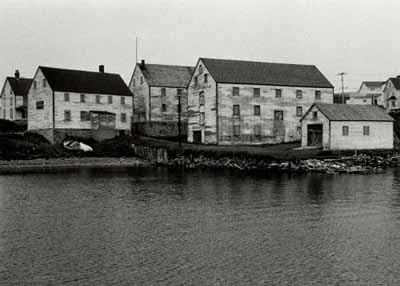 Ryan Premises National Historic Site of CanadaBonavista, Newfoundland And Labrador
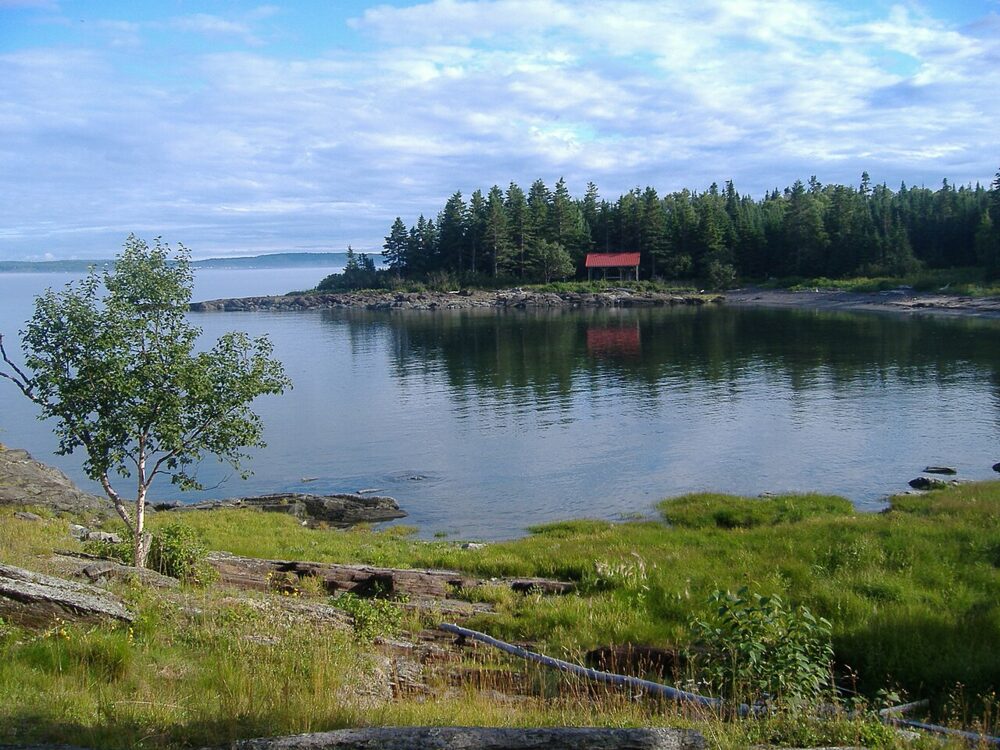 EnhancedÎle aux Basques National Historic Site of CanadaÎle aux Basques, Quebec
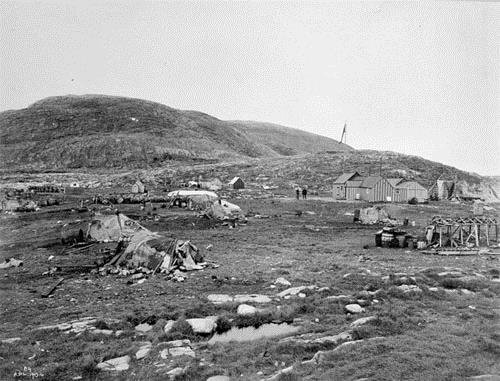 Blacklead Island Whaling Station National Historic Site of CanadaBlacklead Island, Nunavut
From the Canadian Register of Historic Places, as last updated on December 12, 2025. The register’s text is shown word for word.