Last Mountain Lake Bird Sanctuary National Historic Site of Canada
Also known as: Last Mountain Lake Bird Sanctuary, Refuge d’oiseaux de Last Mountain Lake, Last Mountain Lake National Wildlife Area
Description
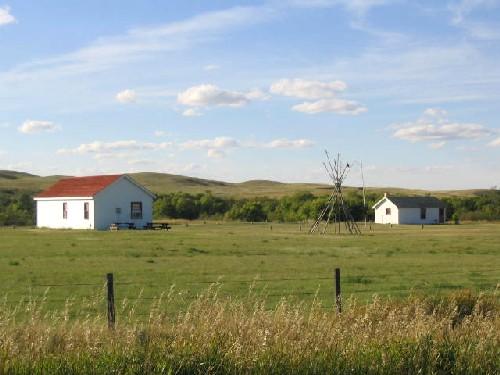
Last Mountain Lake Bird Sanctuary National Historic Site of Canada is located at the northern end of Last Mountain Lake, just north of Regina. It is a natural landscape of shoreline, wetlands, native grasslands, cultivated fields, a lake and islands that is an important nesting place and stopover area for many migratory birds. It is a largely natural landscape with a subtle imprint of human management elements, such as cultivated fields, access roads and water management structures. The official recognition refers to the boundaries of the sanctuary.
Heritage Value
Last Mountain Lake Bird Sanctuary was designated a national historic site of Canada in 1987 for the following reason:
- it is the first sanctuary established in Canada to afford protection to migratory birds.
On the recommendation of Edgar Dewdney, Lieutenant-Governor of the North-West Territories, this sanctuary was set aside in 1887 for the protection of wildfowl, the first such reserve on the continent. It was established as a federal migratory bird sanctuary four years after Parliament passed the Migratory Birds Convention Act of 1917. Internationally recognized, this wildlife area is a migration stopover point in spring and fall for hundreds of thousands of waterfowl, cranes and countless smaller birds, and a summer nesting area for over 100 species, including several rare species.
Sources: Historic Sites and Monuments Board of Canada, Minutes, October 2005; Plaque text, February 1990.
Character-Defining Elements
Key elements contributing to the heritage value of this site include:
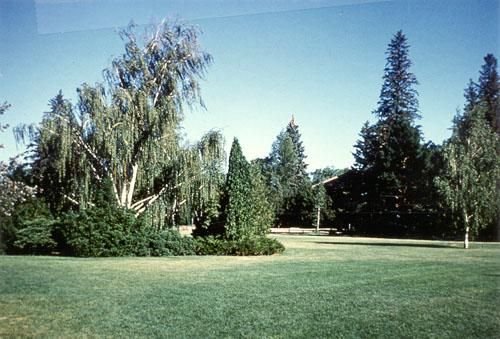
- the natural features of this landscape, including fields, forested areas, wetlands, shoreline and water, in their undisturbed condition;
- the managed elements of the landscape that contribute to conservation measures, including lure crop areas, access roads, paths, dams, and other water-control features, in their existing condition or altered as necessary in support of their function.
Gallery
1 imageLocation
Loading map...
Similar Places
Heritage sites with similar characteristics