Hersey Pavilion National Historic Site of Canada
Also known as: Hersey Pavilion, Pavillon Hersey, Hersey Pavilion National Historic Site of Canada
Description
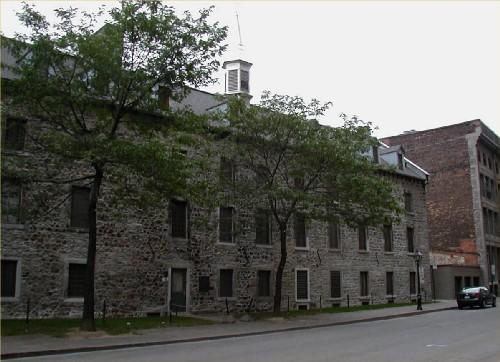
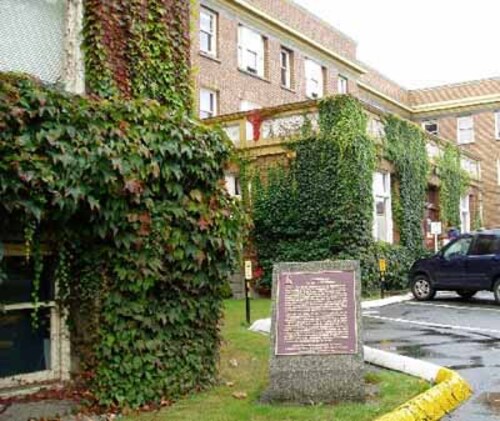
Located on the campus of the Royal Victoria Hospital in Montreal, the Hersey Pavilion National Historic Site is a splendid surviving example of the type of purpose-built nurses' residence dating from the late nineteenth and early twentieth centuries. It is a large, institutional design, designed in a Châteauesque manner, of Montreal limestone, featuring the picturesque historicist details of the time, such as grouped windows, steeply pitched room with dormers, and elaborate mouldings. The official recognition refers to the building on its footprint.
Heritage Value
Hersey Pavilion National Historic Site of Canada was designated a national historic site of Canada in 1997 because:
· It speaks to the contribution of nurses and nursing to scientific medicine and to women's agency as health care professionals.
· It speaks to the training and professionalism of nurses, to their social life, to the development of their unique culture and to the emergence of leaders in the field of nursing.
The Hersey Pavilion of the Royal Victoria Hospital was one of the first purpose-built nurses' residences in Canada. It provided facilities for study and learning, and it provided residential accommodation in the form of bedrooms, sitting rooms and a dining hall. This building, as well as other nurses` residences erected in the country at this time, reflected the growing professionalisation of nursing.
Source: Historic Sites and Monuments Board of Canada, Minutes, November 1997.
Character-Defining Elements
Key elements contributing to the heritage value of this site include:
· the location in an institutional setting as a component of the Royal Victoria Hospital in Montréal;
· the purpose-built institutional architecture, consisting of a multi-storey structure under a steeply pitched, dormered roof; the picturesque massing; richly treated surface of rusticated Montreal limestone with contrasting smooth mouldings; the variety of window types;
· the surviving features of the interior’s original functional design that reflects its role as a residence, a site of learning and of leisure activity, including the lounge, entrance hallway and mantel in the former dining room.
Gallery
1 imageLocation
Loading map...
Similar Places
Heritage sites with similar characteristics