Fort Pitt National Historic Site of Canada
Also known as: Fort Pitt National Historic Site of Canada, Fort Pitt, Fort Pitt
Description
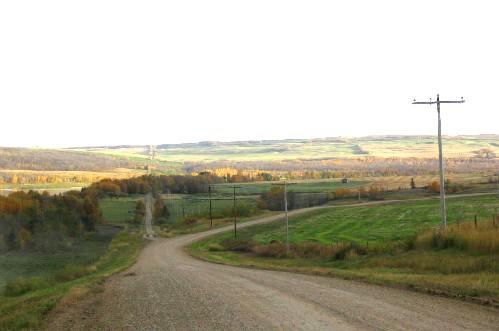
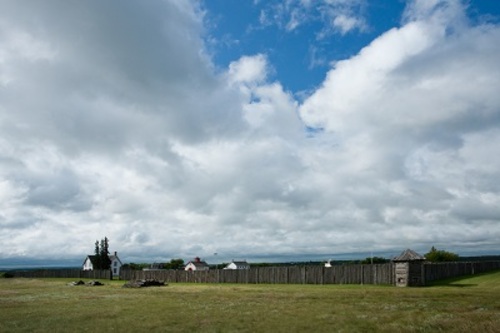
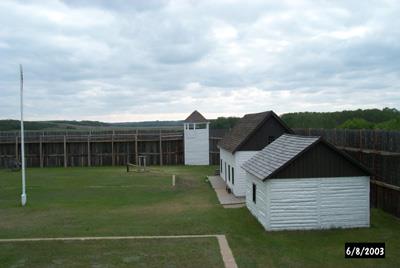
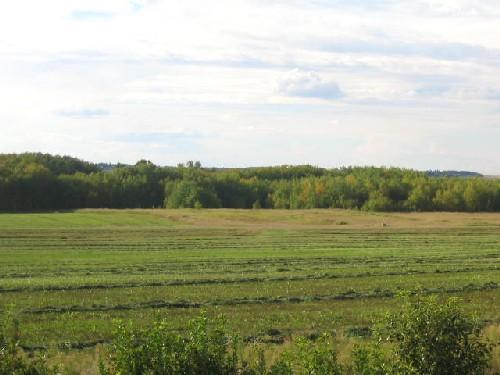
Fort Pitt National Historic Site of Canada is located in Fort Pitt Provincial Park, approximately 5km north east of Hewitt Landing in western Saskatchewan. The site consists of a field located on the North Saskatchewan River. Archaeological remains of two forts on the site have been located, partially excavated and presented for interpretive purposes. As a result of these excavations the outline of all buildings and of the palisade is visible. A reconstructed building from the second fort can also be seen.
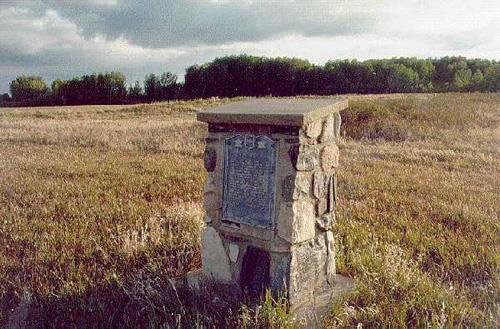
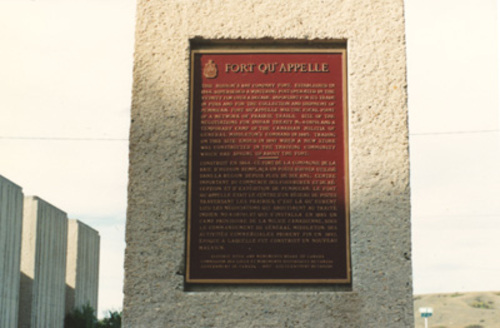
There is an HSMBC cairn in addition to two plaques commemorating Fort Pitt and Big Bear. Official recognition refers to two polygons surrounding the remains of each of the two forts that bore the name ‘Fort Pitt’ with a 30 metre radius extending from the limit of the known resources.
Heritage Value
Fort Pitt was designated a national historic site because:
- the Hudson’s Bay Company built this post to trade in buffalo hides, meat and pemmican;
- it was a site of the signing of Treaty No. 6 in 1876; and,
- it was burned during the 1885 rebellion by Big Bear’s followers after the police had withdrawn to
Battleford.
In the winter of 1829-30 Chief Factor John Rowand of the Hudson's Bay Company established Fort Pitt as a provision post for travellers. Fort Pitt also served as a trading post for the local Cree, Assiniboine and Blackfoot. In 1873 a new post was established approximately 100 metres southwest of the original site which was subsequently abandoned. In 1876 Fort Pitt was the site of the signing of Treaty No. 6 and that same year a North West Mounted Police base was established on the site. As a result of several skirmishes during the 1885 rebellion Big Bear’s followers burned several of the fort’s buildings to the ground after the police had withdrawn. The Hudson’s Bay Company rebuilt some of the buildings but the area was no longer profitable so they abandoned the fort by 1890.
Character-Defining Elements
Key features contributing to the heritage value of this site include: - its location in a field on the North Saskatchewan River; - the integrity of any surviving or as yet unidentified archaeological remains relating to the fort, which may be found within the site in their original placement and extent; - the retention of the knowledge associated with all period artifacts associated with the site; - the unimpeded viewscapes to and from the site in its rural setting.
Gallery
3 imagesLocation
Loading map...
Similar Places
Heritage sites with similar characteristics