Cape Pine Lighthouse National Historic Site of Canada
Also known as: Cape Pine Lighthouse National Historic Site of Canada, Cape Pine Lighthouse, Phare du cap-Pine
Description
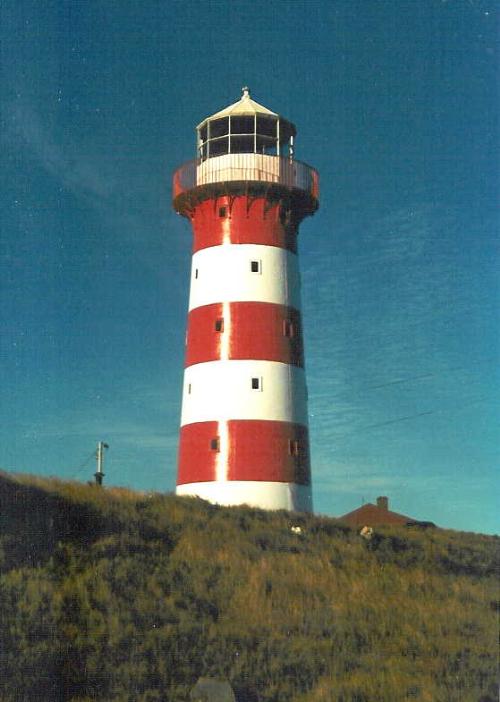
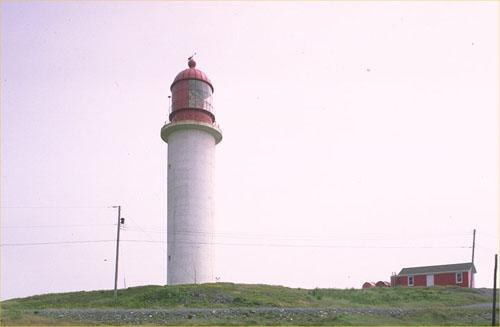
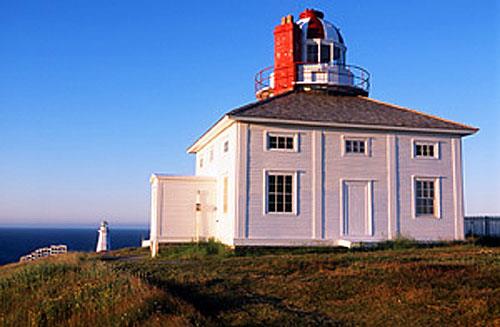
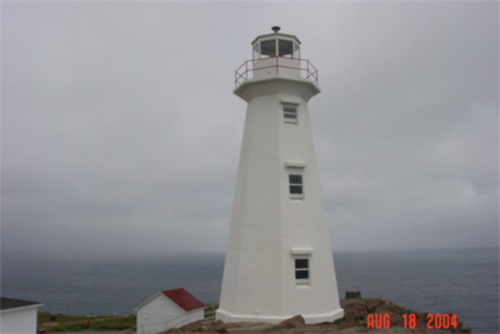
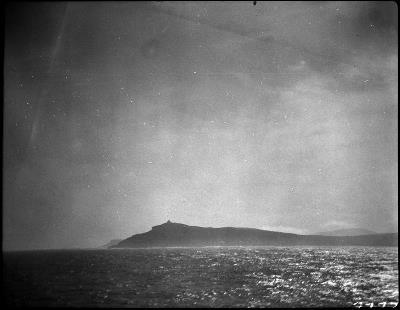
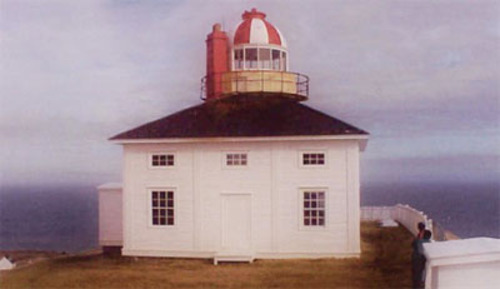
The Cape Pine Lighthouse National Historic Site of Canada stands high on the most southerly promontory of Newfoundland between Trepassey and Saint Mary’s bays. The cast-iron tower is a smooth, tapered cylinder pierced by small, square windows as it rises to a wide gallery with railing and lantern. The lighthouse stands amongst ancillary buildings and a communications tower. Its strategic location makes it highly visible to maritime traffic. The official recognition refers to the lighthouse on its legal property.
Heritage Value
Cape Pine Lighthouse was designated a national historic site of Canada in 1974 because:
- it was the first landfall light built on the dangerous south coast of Newfoundland’s Avalon Peninsula to guide shipping through the Cabot Straight to the St. Lawrence River;
- it is one of the oldest lighthouses in Canada, and;
- it was the first application in Newfoundland of the technology using prefabricated cast-iron components in the construction of lighthouse towers.
The heritage value of this site resides in the physical presence of the lighthouse as witness to the achievement of early pre-fabrication, transportation and construction on a rugged site. Built in 1851 to guide trans-Atlantic shipping, the Cape Pine Lighthouse also illustrates the early improvement of aids to navigation on the east coast of Canada. The lighthouse was the first of a series of prefabricated iron structures erected in Newfoundland in the latter half of the nineteenth century. Designed by Alexander Gordon, it represents a pioneering and carefully executed instance of maritime design and engineering in Canada.
Source: Historic Sites and Monuments Board of Canada, Minutes, June 1973.
Character-Defining Elements
The key elements that contribute to the heritage character of this site include:
- the highly visible location on a rugged cape;
- the unimpeded viewscapes;
- the maritime coastal setting at the edge of a busy seaway;
- the cast-iron construction;
- the form and massing of the 15.3 metre high structure which consists of a tall, tapered tower with twelve-sided lantern;
- the wide exterior gallery with railing supported by iron brackets;
- the small square windows and single narrow door;
- the 3 metres high concrete casing around the base of the tower;
- the smooth, painted finish of the exterior walls with its distinguishing colour scheme of alternating white and red.
Gallery
3 imagesLocation
Loading map...
Similar Places
Heritage sites with similar characteristics