National Historic Site of Canada
Boat Encampment National Historic Site of Canada
Red Rock Bay, British Columbia
Also known as Boat Encampment
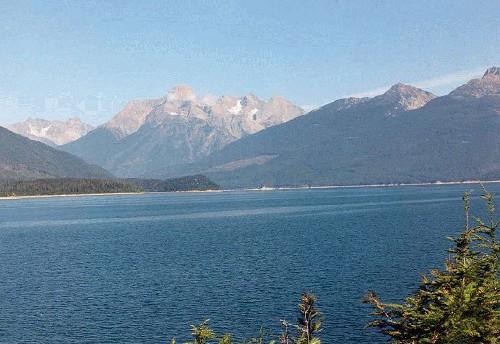
General view of Boat Encampment National Historic Site of Canada, showing its proximity to the Colombia River, a prominent trading route, 2002.
Photo: Parks Canada Agency/Agence Parcs Canada, Roger Eddy, 2002.
- Built
- 1811
- Recognized
- 1943
- By
- Government of Canada
The register’s text, word for word
Description
The Boat Encampment National Historic Site of Canada was originally located between the mouths of the Wood and Canoe rivers, at the Big Bend of the Columbia River. In 1973, preceding the hydroelectric development of the Columbia River, which flooded the area of the original site, the Historic Sites and Monuments Board of Canada monument marking the site was relocated to a site near the Mica Dam. Relocated again in 2000, the monument now rests on a point in the Sprague Bay Recreation Site. The monument looks out towards the original boat encampment site, currently under the waters of the Mica Dam Reservoir. Official recognition refers to the site as it existed prior to 1973.
Heritage value
The Boat Encampment was designated a national historic site of Canada in 1943 because:
- first visited by David Thompson in 1811, it was, for nearly 50 years, an important transfer point on the express route from the Pacific Coast to Montreal and York Factory;
- it was an important transshipment point where fur traders and travellers boarded boats for Fort Vancouver.
The Boat Encampment served as an important transshipment point for the fur brigades moving to and from the Columbia River across the continent. David Thompson, a fur trader under the employ of the Northwest Company, first visited the site in 1811, wintering there after traversing the Athabasca Pass. The location remained a meeting place for the following half century for the fur brigades of both the Northwest Company and later the Hudson’s Bay Company as they awaited pack trains coming over the mountain from Jasper House, an important supply depot for fur traders. Previously inaccessible by land, the construction of the Big Bend loop of the Trans-Canada Highway opened up the area to travelers and tourists in the spring of 1940. Three decades later, the site was flooded during the hydroelectric development of the Columbia River.
SourceHistoric Sites and Monuments Board of Canada, Minutes, May 1943, July 2007
Character‑defining elements
Key elements contributing to the heritage value of the site include:
- its proximity to the Colombia River, a prominent trading route.
- the integrity of any surviving or as yet unidentified archaeological remains which may be found within the site in their original placement and extent.
End of the register’s text
Location
Warsaw Mountain, Red Rock Bay, British Columbia, V0E, Canada
52.10200° N, 118.48933° W
Get directions (opens in a new tab)Being on the register doesn’t make a place open to visitors. Many are private homes or businesses; please view them from the street.

Loading map…
Similar places
Places whose register descriptions are closest to this one.
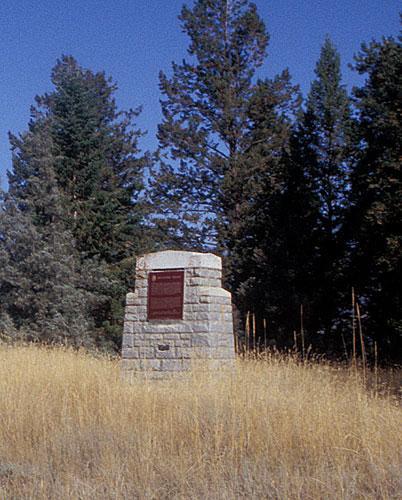 Kootenae House National Historic Site of CanadaInvermere, British Columbia
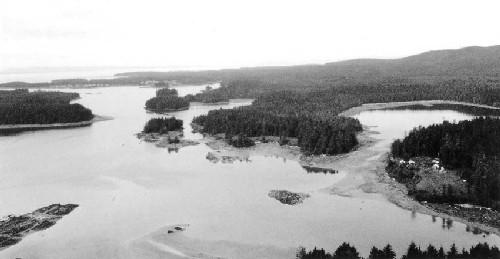 Metlakatla Pass National Historic Site of CanadaSkeena-Queen Charlotte, British Columbia
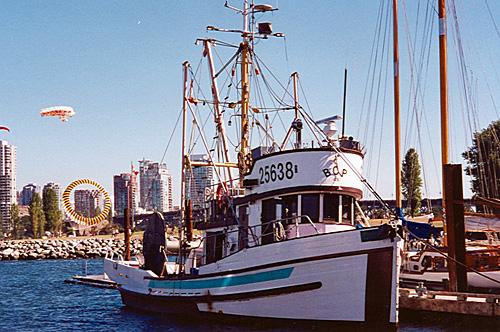 Motor Vessel BCP 45 National Historic Site of CanadaCampbell River, British Columbia
 Stave Falls Hydro-Electric Installation National Historic Site of CanadaMission, British Columbia
 Whaler's Shrine Site National Historic Site of CanadaNootka Island, British Columbia
 Obadjiwan–Fort Témiscamingue National Historic Site of CanadaDuhamel-Ouest, Quebec
From the Canadian Register of Historic Places, as last updated on December 12, 2025. The register’s text is shown word for word.