Bishop Fauquier Memorial Chapel
Also known as: Shingwauk/Fauquier Chapel, Bishop Fauquier Memorial Chapel
Description
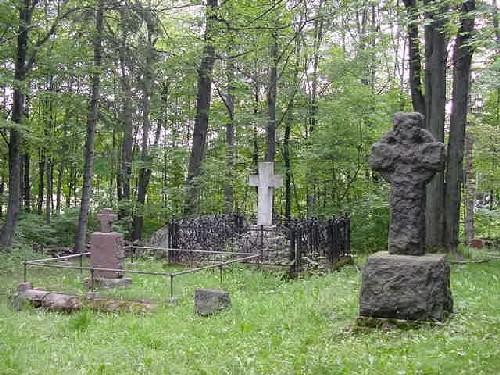
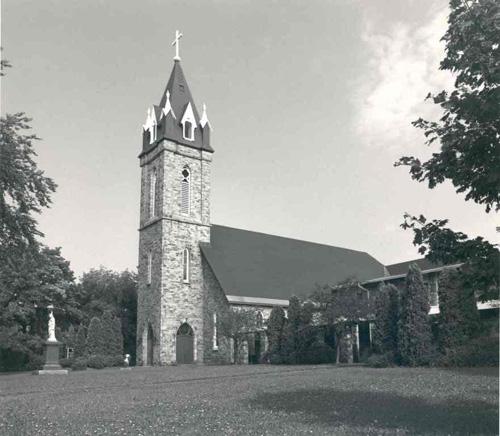
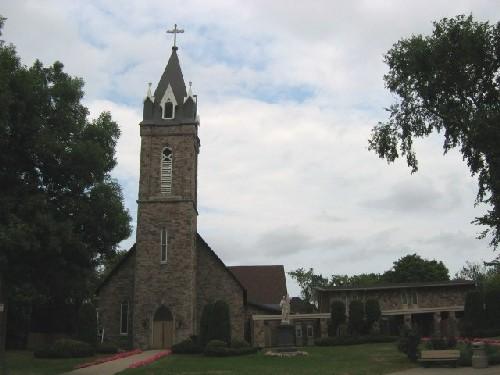
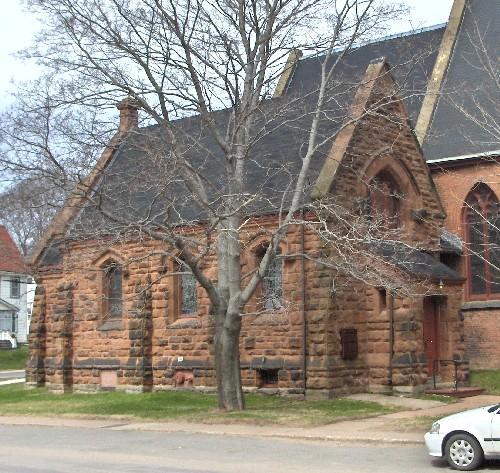
The Bishop Fauquier Memorial Chapel is a small sandstone chapel built in 1881-1883 on the site of the Shingwauk School, a newly established school for First Nations boys in the Anglican Diocese of Algoma. It is in close proximity to an original cemetery of the same period and more recently is maintained as an integral part of the Algoma University/ Shingwauk University Complex.
The chapel has been recognized for its heritage value by the City of Sault Ste. Marie, By-Law 81-19. It is also protected by a municipal heritage conservation easement.
Heritage Value
The Bishop Fauquier Memorial Chapel, dedicated to the first Bishop of Algoma following his death in 1881, is a unique example of ecclesiastical architecture in Sault Ste. Marie. Designed in a picturesque combination of Gothic and Tudor styles, the interior and exterior have remained essentially unaltered since its construction.
The Chapel is a reminder of the link between the Anglican Church and the First Nations of the Sault Ste. Marie area. It is the only surviving building of the original Shingwauk Indian Residential School and the oldest building on the current Algoma University College/ Shingwauk University site.
The Chapel is one of the many public and private landmarks built of red sandstone. In its natural setting overlooking the St. Marys River, it is a highly visible, unique and charming landmark of the area.
Sources: Sault Ste. Marie Designation By-law 81-19; Bishop Fauquier Memorial Chapel Designation Report
Character-Defining Elements
Key elements that reflect the chapel’s value as a unique example of ecclesiastical architecture in Sault Ste. Marie include:
- the red sandstone walls, constructed of local, uncut fieldstone
- the Tudor style walls of the chapel, divided into squares and triangles by wooden beams that are built directly into the wall
- the high-pitched gable roofs, arched windows and entranceways, finials and belfry reminiscent of the Gothic style
- interior elements such as the round and stained glass lancet windows, oak panelling and pews and the carved text above each window
Gallery
3 imagesLocation
Loading map...
Similar Places
Heritage sites with similar characteristics